A cockroach just scurried across the kitchen floor. Or maybe there’s scratching in the walls that sounds suspiciously like mice. The first question that comes to mind is: “Who’s responsible for fixing this mess?”
This confusion plays out constantly in rental properties across the United States. The good news? Understanding pest control responsibility doesn’t have to be complicated.
The Short Answer: Yes, Landlords Are Usually Responsible
In most cases across the United States, landlords are legally obligated to provide tenants with a pest-free living space. It’s part of what’s called the “warranty of habitability”, a legal requirement that means rental properties must be safe and livable.
When renting an apartment, tenants pay for a home that meets basic health and safety standards. Pests like roaches, mice, rats, and bed bugs don’t just create discomfort; they pose serious health risks.
Landlords are typically responsible for:
- Delivering a pest-free property at move-in
- Keeping the building properly maintained to prevent pest entry
- Addressing structural issues that allow pests inside (gaps, cracks, broken screens)
- Responding quickly when tenants report pest problems
- Paying for professional extermination services
However, there are important exceptions that every tenant needs to understand.
When Tenants Might Be Responsible
Not every pest problem falls under the landlord’s responsibility. When tenant actions invite unwanted guests, the tenant might be paying the exterminator bill.
Situations Where Tenants Are Responsible:
Poor housekeeping habits:
- Leaving dirty dishes piled in the sink for days
- Food left out on counters or not stored properly
- Overflowing trash that isn’t taken out regularly
- Crumbs and spills that aren’t cleaned up
Neglecting to report issues:
- Not telling the landlord about water leaks that attract pests
- Ignoring the first signs of a pest problem until it becomes severe
- Failing to report maintenance issues like broken screens or door seals
Pet-related infestations:
- Pets bringing in fleas
- Not keeping the pet living areas clean
Some tenants try to hide pest problems because they’re worried about getting blamed. This approach makes things worse. Small problems become major infestations quickly when it comes to pests.
What the Law Says (State-by-State Considerations)
Pest control laws vary by state, and sometimes even by city. While the general principle stays consistent – landlords must provide habitable housing – the specifics differ.
In most states:
- Landlords have between 7-30 days to address non-emergency pest issues
- Emergency situations (like severe roach or rodent infestations) require faster action
- Tenants must notify landlords in writing about pest problems
- Landlords must use safe, approved pest control methods
Some states like California and New York have particularly strict requirements for landlords. Others provide more leeway. Local tenant rights organizations or housing authorities can provide exact rules for specific areas.
If you’re dealing with a persistent pest issue and need reliable local experts, check out these top-rated pest control companies in Dayton, Ohio.
The Special Case of Bed Bugs
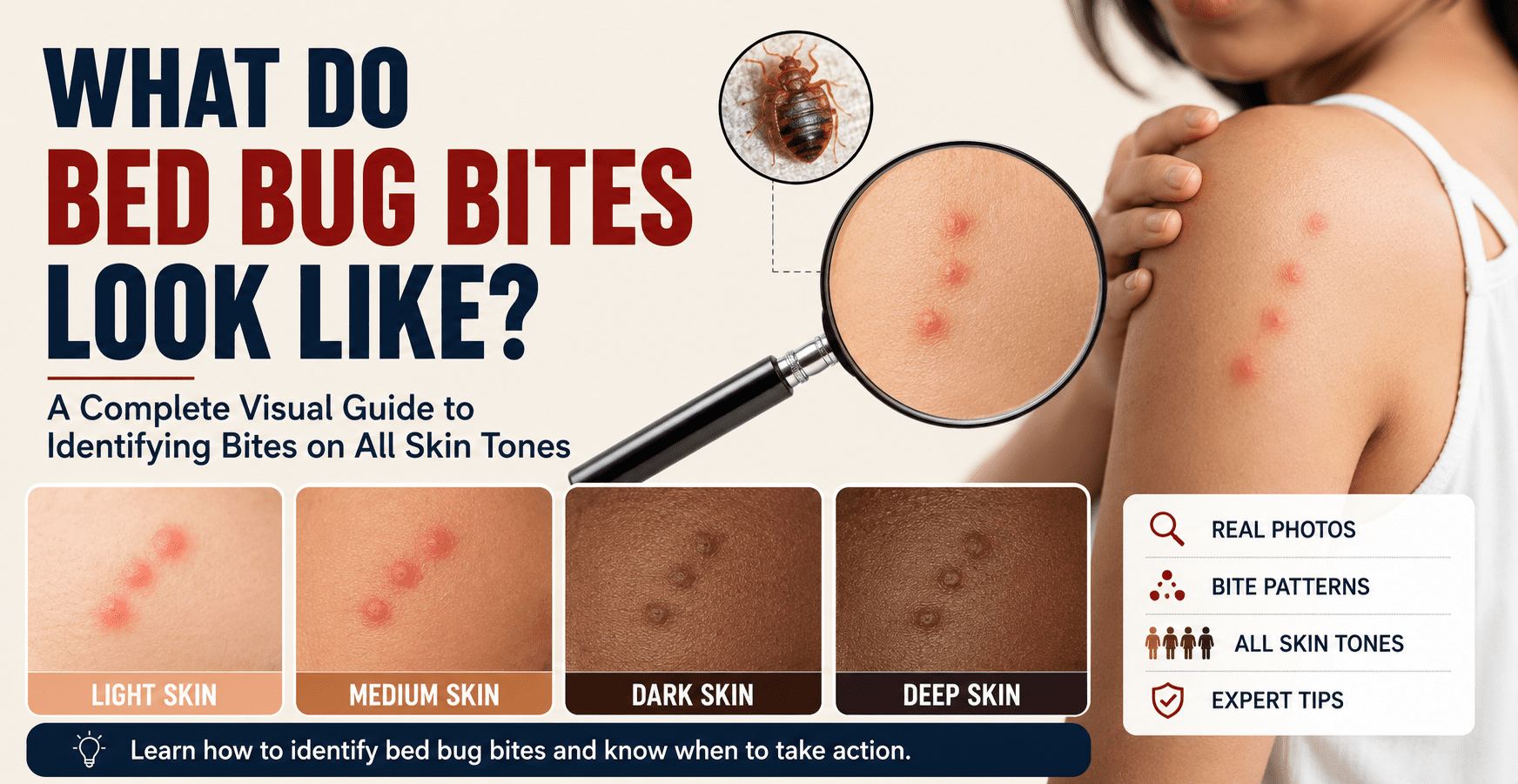
Bed bugs deserve their own section because they’re uniquely challenging. Unlike roaches or mice, bed bugs don’t care about cleanliness – they’re attracted to human blood.
Bed bugs can be picked up from hotels, public transportation, thrift stores, or even a friend’s couch. Because they spread so easily and unintentionally, most states place the responsibility squarely on landlords.
However, there’s a catch:
If the apartment was bed bug-free at move-in, and the landlord can prove the tenant brought them in, responsibility for treatment costs might be shared. This makes move-in and move-out inspections critically important.
Action Plan: What to Do When Pests Appear
When pests are spotted, follow these steps:
Step 1: Document Everything
Take photos or videos showing clear evidence – pictures of the pests, any damage they’ve caused, and conditions that might be contributing to the problem. Time-stamp everything if possible.
Step 2: Notify the Landlord in Writing
Send an email or text (something that can be saved as proof) to the landlord immediately. Be specific about:
- What pests have been seen
- Where they’ve been spotted
- When the problem was first noticed
- How severe it appears
Phone calls alone aren’t enough – a paper trail is essential.
Step 3: Clean and Prep
While waiting for the landlord to respond, do what’s possible:
- Deep clean the space
- Seal up food in airtight containers
- Take out garbage daily
- Fix any obvious entry points that can be handled independently
Step 4: Follow Up
If there’s no response within a few days, follow up. Keep copies of all communications. This documentation becomes crucial if the situation escalates.
Step 5: Know Your Rights
If the landlord doesn’t respond or refuses to help, several options exist:
- Contact the local health department
- Report to the city’s housing authority
- In some cases, rent withholding or “repair and deduct” may be possible
- As a last resort, breaking the lease without penalty might be an option
Red Flags: When Landlords Aren’t Holding Up Their End
Sometimes landlords try to dodge their responsibilities. Warning signs include:
- Claiming tenants caused the problem without real evidence
- Refusing to pay for professional treatment and suggesting DIY solutions
- Ignoring reports or taking excessive time to respond
- Blaming tenants for building-wide pest issues
- Not addressing structural problems that let pests in
When these issues arise, it’s time to escalate the situation.
Prevention: The Best Medicine
Prevention is significantly easier and cheaper than treatment.
For Landlords:
The best approach is investing in regular preventative pest control services. Quarterly treatments from professional companies can catch problems before they start. This costs far less than dealing with full-blown infestations.
For Tenants:
Even though treatment costs aren’t the tenant’s responsibility, prevention plays a huge role:
- Keep things clean (perfection isn’t necessary)
- Report any maintenance issues immediately
- Don’t let water accumulate anywhere
- Keep food sealed and stored properly
What About Multi-Unit Buildings?
Living in an apartment complex adds complexity. Pests don’t respect unit boundaries – they travel through walls, pipes, and shared spaces.
In multi-unit buildings, landlords need building-wide approaches. If one unit has roaches, neighboring units likely do too, even if residents haven’t noticed yet.
This means:
- Treatment often needs to happen in multiple units
- Exterminators may need access to apartments even if residents haven’t personally seen pests
- Problems might take longer to resolve than in single-family homes
Landlords treating apartments when neighbors report issues are taking the right approach. It’s not personal – it’s practical.
Common Pest Problems and Who Pays
Here’s a breakdown of typical scenarios:
Mice and Rats: Almost always the landlord’s responsibility. These rodents enter through structural gaps and holes.
Cockroaches: Usually the landlord’s problem, especially in multi-unit buildings. However, unsanitary living conditions might shift some responsibility to tenants.
Ants: Generally the landlord’s responsibility, though keeping food sealed helps prevent them.
Bed Bugs: Typically the landlord’s responsibility, unless they can prove tenants brought them in.
Fleas: If tenants have pets, this is usually their responsibility.
Termites: Definitely the landlord’s problem. These represent structural issues.
FAQ: Common Questions Answered
Q: Can tenants break their lease if there’s a pest problem?
In severe cases where infestations make units uninhabitable and landlords won’t fix them, yes. But this is a last resort – consult with a tenant rights organization first.
Q: Can landlords force tenants to pay for pest control in the lease?
Some landlords try including this in leases, but it’s often not enforceable. Many states have laws that override lease provisions attempting to shift this responsibility to tenants.
Q: How quickly should landlords respond?
This varies by state, but generally within 7-30 days for non-emergency situations. Severe infestations should be addressed much faster.
Q: What if tenants can’t afford to move out during treatment?
Landlords may need to provide temporary housing or allow temporary lease breaks depending on the severity and state laws.
Q: Can tenants withhold rent if landlords won’t deal with pests?
In some states, yes, but specific procedures must be followed. Never stop paying rent without understanding local laws first. Usually, rent needs to go into an escrow account through proper legal channels.
Q: What if landlords try to evict tenants for reporting pests?
That’s called retaliation and it’s illegal in every state. Document everything and contact a tenant rights attorney immediately.
Q: Should tenants hire their own exterminator?
Generally, no, unless the problem is clearly the tenant’s fault. Let landlords handle it so there’s no question about responsibility. If hiring independently becomes necessary, keep all receipts – rent deduction or reimbursement might be possible depending on state laws.
Q: What if pest problems come back after treatment?
Contact the landlord again immediately. Pest control sometimes requires multiple treatments, especially for stubborn problems like bed bugs.
The Bottom Line
Dealing with pests in rental properties doesn’t have to be a nightmare when everyone knows their role and communicates clearly.
Tenant responsibilities:
- Keep spaces reasonably clean
- Report problems immediately
- Document everything
- Cooperate with treatment plans
Landlord responsibilities:
- Provide pest-free homes from day one
- Maintain buildings properly
- Respond quickly to reports
- Pay for professional treatment
When both sides fulfill their obligations, pest problems get solved quickly, and everyone stays satisfied.
Don’t Let Pests Win – Get Professional Help Today
Whether dealing with an unresponsive landlord as a tenant or protecting a property investment as an owner, professional pest control makes all the difference.
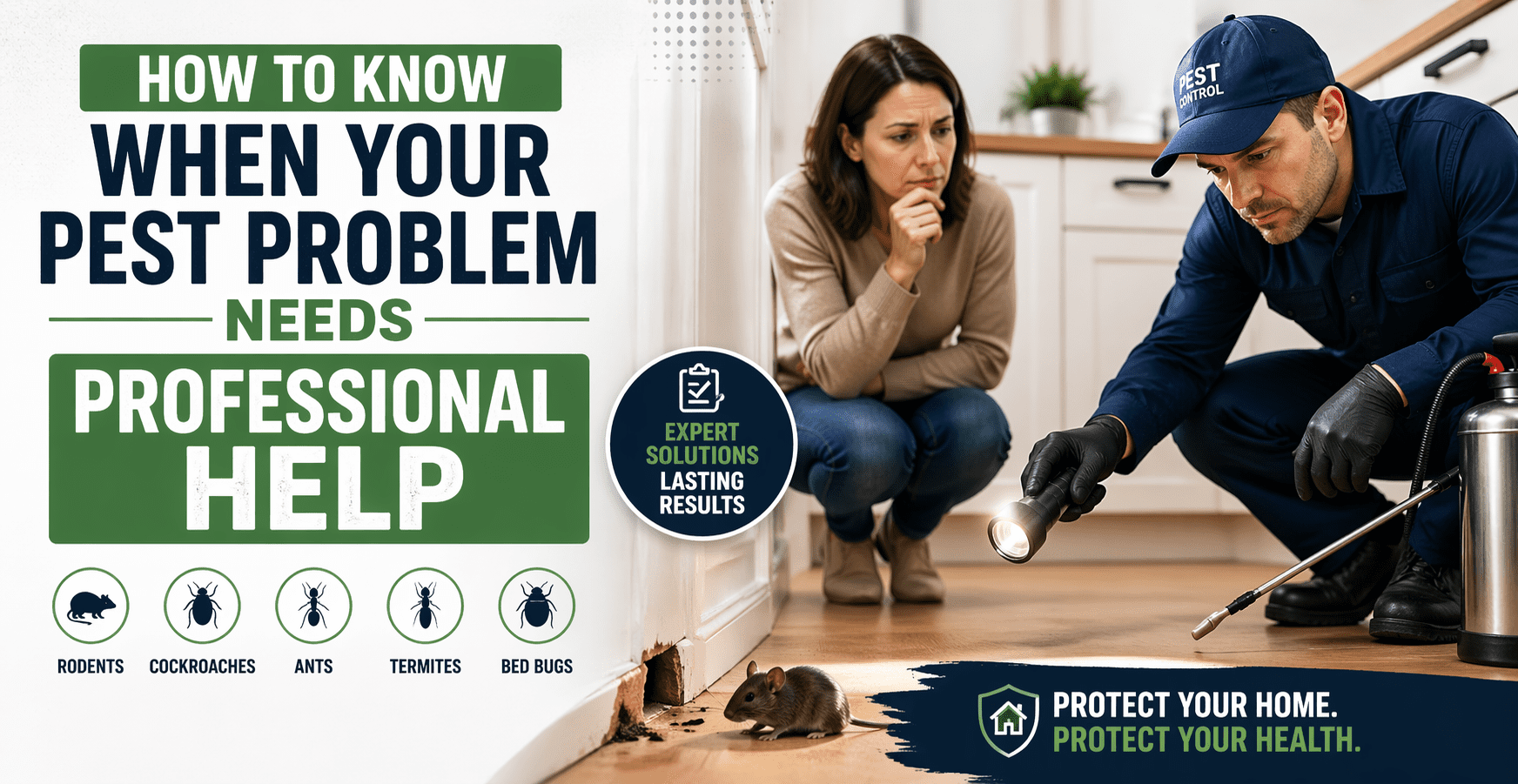
Pest Control Dayton has helped thousands of renters and property owners across Ohio tackle every kind of pest problem. With knowledge of local laws, understanding of the landlord-tenant dynamic, and proven results, expert help is just a call away.
What sets professional service apart:
- Same-day emergency service available
- Experience with both residential and multi-unit properties
- Knowledge of Ohio tenant-landlord laws
- Family-friendly, pet-safe treatment options
- Guaranteed results
Don’t spend another night listening to scratching in the walls or worrying about what’s crawling across floors after dark. Contact Pest Control Dayton today for a free inspection and estimate. Professional assessment, clear explanations in plain English, and effective solutions restore homes to the safe, comfortable spaces they should be.
Pest problems don’t improve on their own. They only get worse. Taking action now means letting professionals handle it the right way.
Ready to live pest-free? Contact Pest Control Dayton now – because homes should be sanctuaries, not pest playgrounds