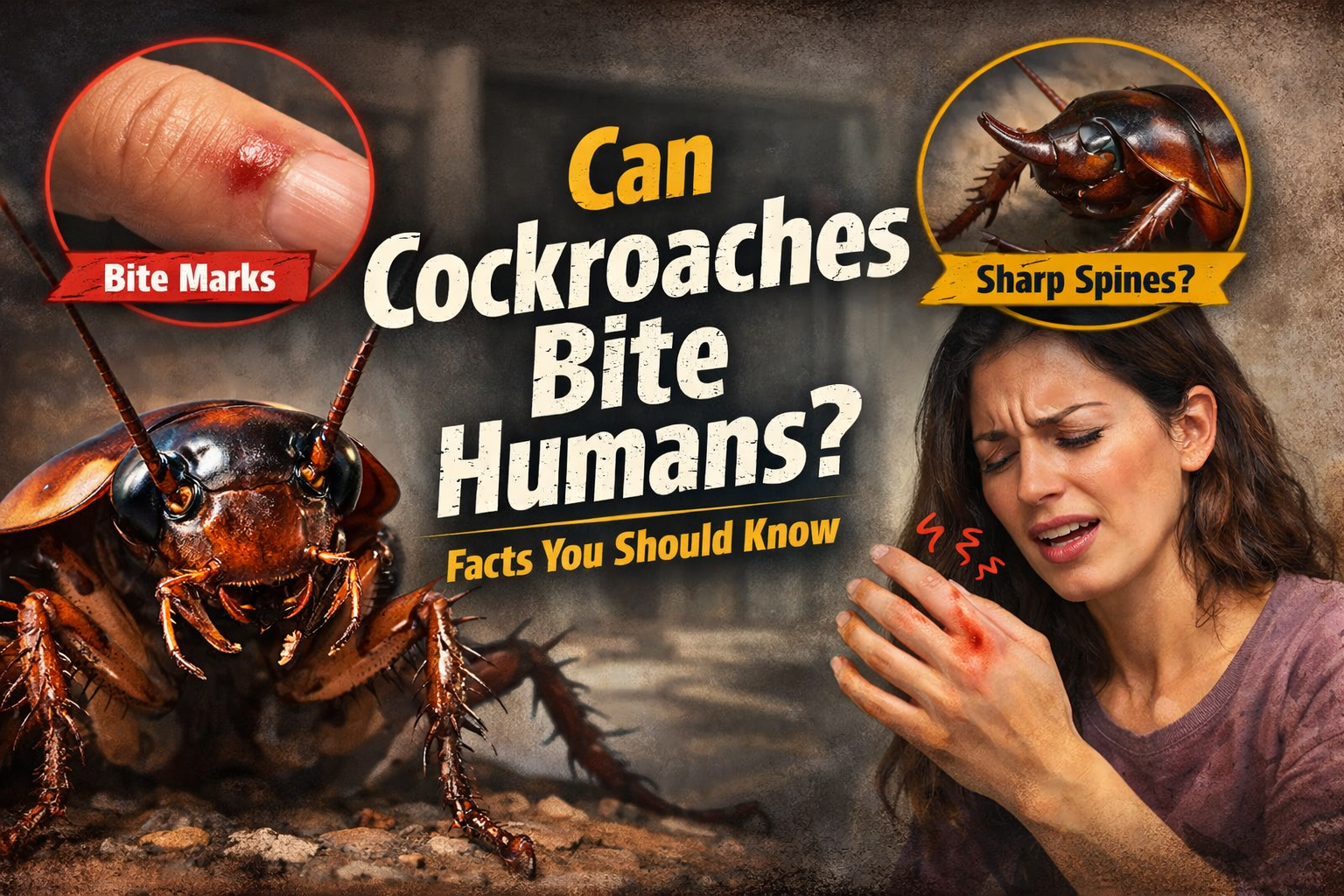
This is one of the most common questions homeowners ask: “Do cockroaches bite?” The short answer? Yes, they can. But before panic sets in, here’s the full story.
The truth is, cockroach bites are pretty rare. These creepy crawlers would much rather scavenge for crumbs in your kitchen than nibble on you. That said, understanding when and why cockroaches might bite can help protect your family and determine when it’s time to call in professional help.
Do Cockroaches Actually Bite People?
Here’s the thing: cockroaches are opportunistic eaters. They’ll consume just about anything organic, including food residue, paper, and yes, even dead skin cells. While they prefer easier food sources, cockroaches can and do bite humans under certain circumstances.
Do cockroaches bite people regularly? Not really. Bites typically only happen when infestations are severe, and food sources are limited. In these situations, roaches may nibble on sleeping humans, targeting areas with food residue or dead skin.
The good news? Cockroach bites aren’t venomous and rarely cause serious harm. The bad news? If bites are occurring, it usually means there’s a significant infestation problem that needs immediate attention.
When Do Cockroaches Bite Humans?
Cockroach bites happen under specific conditions:
Severe Infestations When cockroach populations explode and compete for limited resources, they become more aggressive in seeking food sources. Large infestations create desperate roaches that might turn to unconventional food sources, including humans.
Nighttime Activity Do cockroaches bite you in your sleep? Unfortunately, yes. Roaches are nocturnal creatures, so they’re most active when people are sleeping. They’re attracted to moisture around the mouth, food particles on the face, or dead skin on exposed areas.
Limited Food Availability In homes with minimal food scraps or crumbs, hungry cockroaches may resort to biting. This is especially common in apartments or homes where people have cleaned up most obvious food sources but haven’t addressed the underlying infestation.
What Does a Cockroach Bite Look Like?
Cockroach bites typically appear as small, red, raised bumps similar to mosquito bites. They might be slightly swollen and can be itchy or mildly painful.
Common bite locations include:
- Fingernails and toenails (they’re attracted to keratin)
- Eyelashes and eyebrows
- Hands and fingers
- Feet and legs
- Face, especially around the mouth
The bites are usually found on exposed skin during sleep. Unlike bed bug bites, which often appear in lines or clusters, cockroach bites are more randomly distributed.
Do American Cockroaches Bite?
Yes, American cockroaches can bite humans, though it’s uncommon. These are the big ones, the largest species found in US homes, sometimes reaching over two inches long.
Do American cockroaches bite more than other species? Not necessarily. They have the same feeding behavior as other cockroach species. However, because of their larger size, their bites might be slightly more noticeable. German cockroaches, despite being smaller, are actually more likely to bite simply because they’re more common in homes and reproduce faster, leading to larger infestations.
Health Risks Beyond the Bite
Honestly, the bite itself isn’t the primary concern for pest control professionals. The real danger comes from what cockroaches carry.
Cockroaches are walking disease vectors. They crawl through sewers, garbage, and decaying matter, picking up bacteria, viruses, and parasites along the way. When they bite or simply walk across food prep surfaces, they can spread:
- Salmonella
- E. coli
- Typhoid fever
- Dysentery
- Gastroenteritis
Their droppings, saliva, and shed skin can also trigger allergies and asthma, especially in children. This is why any cockroach presence in the home should be taken seriously, even without bites occurring.
How to Prevent Cockroach Bites
The best way to avoid cockroach bites is to prevent infestations altogether. Here are the top recommendations:
Keep Your Home Clean
- Wash dishes immediately after use
- Wipe down counters before bed
- Sweep and vacuum regularly
- Take out trash daily
- Store food in airtight containers
Eliminate Water Sources Cockroaches need water to survive. Fix leaky pipes, don’t leave standing water in sinks, and keep bathrooms dry.
Seal Entry Points Check for cracks around windows, doors, pipes, and foundations. Seal them with caulk or weather stripping to keep roaches out.
Reduce Clutter Cockroaches love hiding in cardboard boxes, newspapers, and clutter. Keep storage areas organized and use plastic containers instead of cardboard.
Regular Inspections Check common hiding spots like under sinks, behind appliances, and in cabinets. Catching an infestation early makes treatment much easier and more effective.
What to Do If You’re Bitten
If a cockroach bite is suspected:
- Clean the area with soap and water immediately
- Apply ice to reduce swelling
- Use anti-itch cream if needed
- Avoid scratching to prevent infection
- Monitor for signs of infection like increased redness, warmth, or pus
See a doctor if the bite becomes infected, there’s a severe allergic reaction, or multiple bites indicate a serious infestation.
Frequently Asked Questions
Do cockroaches bite?
Yes, cockroaches can bite humans, but it’s relatively rare. Bites typically occur during severe infestations when food sources are scarce.
Do cockroaches bite you in your sleep?
Yes, cockroaches are nocturnal and most active at night. They may bite sleeping humans, particularly around the mouth, hands, and other exposed skin.
Do cockroaches bite humans regularly?
No, cockroach bites are uncommon. They prefer other food sources and usually only bite when infestations are severe and alternative food is limited.
What’s the difference between a cockroach bite and a bed bug bite?
Cockroach bites are random and isolated, while bed bug bites often appear in lines or clusters. Bed bug bites are also typically more itchy and take longer to heal.
Can cockroach bites make you sick?
The bite itself rarely causes serious illness, but the bacteria cockroaches carry can lead to infections if the bite area isn’t properly cleaned. The bigger health concern is the diseases they spread through contamination.
Don’t Let Cockroaches Make Your Home Theirs
Here’s the bottom line: if there’s concern about whether cockroaches can bite, there’s probably already an infestation underway. And whether they’re biting or not, cockroaches in the home are a serious health hazard that won’t go away on their own.
DIY methods might kill a few roaches, but they rarely address the root of the problem. Cockroaches reproduce incredibly fast; a single German cockroach can produce over 30,000 offspring in just one year. By the time one roach is spotted, there are likely hundreds more hiding in the walls.
That’s where professional help makes all the difference.
At Pest Control Dayton, the focus isn’t just on treating the cockroaches you can see, it’s on eliminating the entire colony. Experienced technicians use proven methods that are safe for families and pets while being devastating to roaches. The team identifies entry points, eliminates food and water sources, and creates a long-term prevention plan so cockroach bites never become a worry.
Don’t wait until a minor problem becomes a major infestation. Whether it’s one roach spotted or bites happening at night, help is available.
Contact Pest Control Dayton today for a free inspection and take back your home from cockroaches for good. Call now or visit pest control dayton to schedule your appointment.
Your family deserves a pest-free home. Let’s make it happen together.