When you book a pest treatment, it’s natural to wonder whether you’ll need to scrub your entire home from top to bottom afterwards. Many homeowners in Australia ask the same question: Do I have to wash everything after pest control? The short answer is: not always. The answer depends on the type of treatment used, where it was applied, and the advice of your pest control technician.
If you’ve recently had a service from a trusted provider like Dayton Pest Control, understanding what’s safe and what’s not will give you peace of mind. Here’s everything you need to know about cleaning after pest control treatments.
Why People Worry About Washing After Pest Control
Pest control treatments often involve sprays, gels, dusts, or baits designed to target specific pests. Homeowners may worry that these products could linger on surfaces and pose health risks to children, pets, or even food items.
However, modern pest control methods are designed with safety in mind. Companies like Dayton Pest Control use products that are effective against pests but safe when applied correctly. In many cases, you don’t need to wash every surface, and doing so might even reduce the effectiveness of the treatment.
When You Should Wash Surfaces
While you don’t have to wash everything, there are situations where cleaning is recommended:
1. Food Preparation Areas
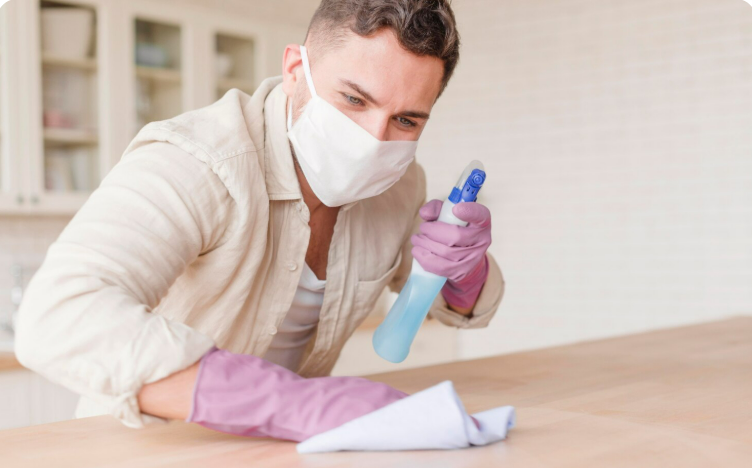
Kitchen benchtops, dining tables, and any surface where food is prepared or eaten should be thoroughly wiped down after a treatment. Even though technicians usually avoid spraying these areas, it’s always better to be cautious.
2. Exposed Dishes, Utensils, or Appliances
If you accidentally left dishes, cooking utensils, or small appliances out during the service, it’s best to wash them before use. This ensures no residue remains that could come into contact with your food.
3. Children’s Toys and Play Areas
Children may put objects in their mouths because they are inherently curious. If toys were exposed during the treatment, give them a quick wash to be safe.
When You Don’t Need to Wash
1. Floors and Skirting Boards
Unless your pest control technician specifically advises it, avoid mopping or scrubbing floors immediately after a treatment. Products applied along skirting boards or in corners are meant to stay there for long-term effectiveness. Washing them away too soon reduces the treatment’s impact.
2. Hidden Areas
Treatments are often applied in cracks, crevices, roof voids, or under appliances where pests hide. These are not areas you come into contact with daily, so there’s no need to clean them.
3. Gel Baits or Dusts
If your technician used gel baits or dust formulations, these are placed in very specific areas. Washing them away defeats the purpose, as pests need to come into contact with them over time.
Tips to Prepare Before Pest Control
The best way to reduce post-treatment cleaning is to prepare your home properly before the service. Here are some handy steps:
- Store food, dishes, and cutlery in cupboards or cover them securely.
- Pack away children’s toys, pet bowls, and bedding.
- Vacuum and wipe down surfaces beforehand so you don’t feel the need to do it straight after.
By preparing well, you’ll save yourself time and protect the effectiveness of the pest control treatment.
Safety Comes First
If you’re unsure whether certain items need washing after a treatment, ask your pest control provider directly. Companies like Dayton Pest Control always give tailored aftercare advice depending on the service performed. Following professional guidance is the safest and most effective approach.
Final Thoughts
So, do you have to wash everything after pest control? The answer is no, only key areas like food prep surfaces, exposed dishes, and children’s items. Avoid over-cleaning, as it can reduce the effectiveness of the treatment.
By trusting experienced professionals such as Dayton Pest Control, who offer specialized services including bed bug treatment, rodent control, and termite control, you can feel confident that your home is safe, your family is protected, and pests are effectively managed without the need for a massive clean-up operation afterwards.