
Spotting a small brown bug darting across the kitchen counter at night is never a good sign. When it has two distinctive dark stripes running down its back, there’s no doubt, it’s a German roach, and it’s not alone.
German cockroaches are the most common roach species invading Dayton homes, and they’re notorious for multiplying at an alarming rate. By the time homeowners notice one during daylight hours, hundreds more are likely hiding in walls, cabinets, and appliances.
This comprehensive guide covers everything Dayton residents need to know: how to identify these pests, understand their behavior, learn what actually works to eliminate them, and recognize when professional help becomes necessary.
📑 Table of Contents
- What Is a German Cockroach?
- German Cockroach Facts Every Homeowner Should Know
- Where Do German Cockroaches Hide in Dayton Homes?
- Signs of German Cockroach Infestation
- Why German Cockroaches Are Dangerous
- How German Roaches Enter Dayton Homes
- Effective Treatment Options for German Cockroaches
- Frequently Asked Questions
- Professional German Cockroach Control in Dayton
What Is a German Cockroach?
A German cockroach is a small, light brown roach measuring approximately ½ inch in length, about the size of a penny. The most distinguishing feature is two dark, parallel stripes located on the pronotum (the shield-like area behind the head).
Unlike larger American cockroaches commonly seen outdoors, German roaches are strictly indoor dwellers. They cannot survive Ohio’s harsh winters outside, which means once they establish themselves inside a home, they’re committed to staying.
Key Identification Features:
- Size: ½ to ⅝ inch long (significantly smaller than other species)
- Color: Light brown or tan body
- Markings: Two dark parallel stripes on back (distinctive identifier)
- Wings: Present but rarely used for flight
- Antennae: Long and segmented
German Cockroach Facts Every Homeowner Should Know
Understanding German cockroach behavior is critical to effective elimination. These pests have survival strategies that make them particularly challenging to control.
Reproduction Speed
One of the most alarming German cockroach facts is their reproductive capacity. A single female produces 30-40 eggs every six weeks, carried in a protective case called an ootheca. These nymphs reach reproductive maturity in just 6-8 weeks, meaning one female can be responsible for over 10,000 descendants within a year.
Do German Roaches Live Outside?
No. German roaches are exclusively indoor pests. Unlike other cockroach species that can survive outdoors in warmer months, German cockroaches lack the cold tolerance needed for Ohio’s climate. They require the consistent warmth, moisture, and food sources found inside buildings. This indoor dependency is why infestations can persist year-round in Dayton homes.
German Cockroach Temperature Tolerance
German cockroach temperature tolerance ranges between 70-75°F for optimal breeding, though they can survive in temperatures as low as 45°F for short periods. However, prolonged exposure to temperatures below 32°F or above 115°F will kill them. This sensitivity to temperature extremes is why professional heat treatments can be effective, though these pests typically hide in the warmest areas of homes—near appliances, water heaters, and heating systems.
Nocturnal Behavior
German roaches are nocturnal scavengers. Daytime sightings typically indicate severe overcrowding, so many roaches competing for hiding spaces that some are forced out during daylight. If roaches are visible during the day, the infestation is likely substantial.
Pesticide Resistance
German cockroaches have developed resistance to multiple classes of insecticides over generations. Many over-the-counter products that worked decades ago are now ineffective, which is why professional-grade treatments with rotation strategies are often necessary.
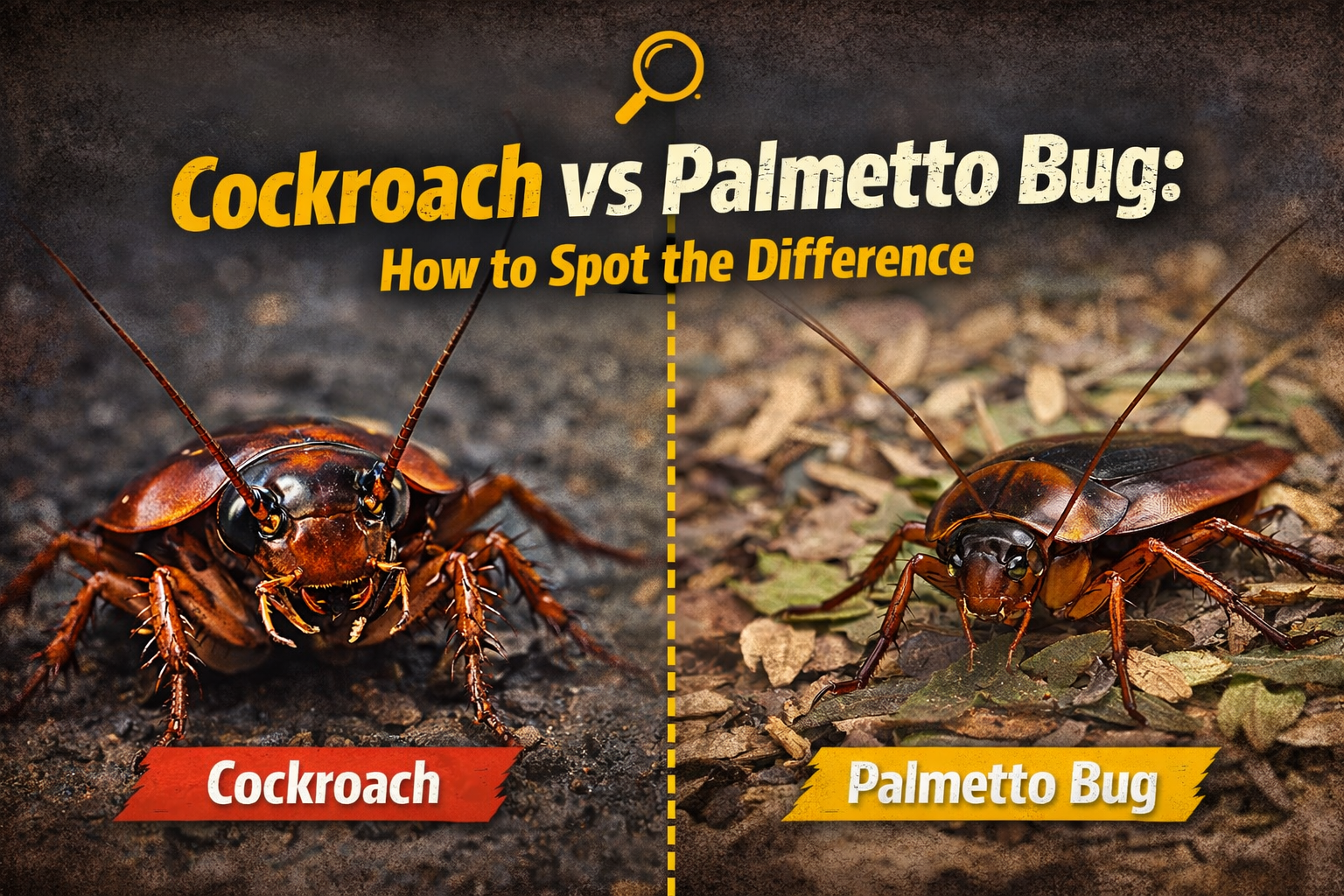
Also read: Cockroach vs Palmetto Bug: How to Spot the Difference
Where Do German Cockroaches Hide in Dayton Homes?
Knowing where German cockroaches hide is essential for effective treatment. These pests prefer warm, humid areas close to food and water sources. They’re experts at squeezing into tight cracks and crevices where they feel secure.
Primary Hiding Locations:
- Kitchen Areas: Under sinks, inside cabinets (especially corners), behind refrigerators, beneath stoves, inside toasters and microwaves, around dishwashers
- Bathroom Spaces: Under bathroom sinks, behind toilets, in vanity cabinets, around bathtub fixtures, inside medicine cabinets
- Structural Voids: Wall voids near plumbing, electrical outlet boxes, gaps around baseboards, cracks in tile grout
- Appliances: Motor housings of refrigerators, backs of stoves, inside coffee makers, behind washing machines
- Utility Areas: Near water heaters, around furnaces, in basement corners with moisture
German cockroaches prefer tight spaces where their bodies touch surfaces on multiple sides. This thigmotactic behavior means they gravitate toward cracks less than ⅛ inch wide, spaces most homeowners overlook during DIY treatments.
Signs of German Cockroach Infestation
Early detection dramatically improves treatment success. Dayton homeowners should regularly inspect for these telltale signs:
- Droppings: Dark specks resembling ground black pepper, concentrated near hiding areas
- Egg Cases: Brown, pill-shaped oothecae (about ¼ inch long) in cabinet corners or behind appliances
- Musty Odor: Distinctive oily smell that intensifies with infestation severity
- Smear Marks: Dark streaks on walls or surfaces where roaches frequently travel
- Live Specimens: Adult or nymph roaches, especially when lights are turned on at night
- Shed Skins: Light brown exoskeletons left behind as nymphs grow
Why German Cockroaches Are Dangerous
German cockroaches pose significant health risks beyond the obvious discomfort of having pests in the home. These insects are vectors for disease and allergens that can seriously impact family health.
Disease Transmission:
- Bacterial infections: Salmonella, E. coli, Staphylococcus (spread through droppings and body contact)
- Parasitic worms: Six species transmissible to humans
- Food contamination: Pathogens transferred to food prep surfaces and stored food
Respiratory Issues:
- Asthma triggers: Cockroach allergens in shed skins and feces can cause asthma attacks
- Allergic reactions: Sneezing, congestion, watery eyes, skin rashes
- Children at highest risk: Studies show cockroach exposure significantly increases childhood asthma rates
The health risks escalate as infestations grow. What begins as an occasional sighting can quickly become a serious health hazard affecting the entire household, particularly vulnerable family members with compromised immune systems or respiratory conditions.
How German Roaches Enter Dayton Homes
German cockroaches don’t walk in through open doors. They’re hitchhikers that arrive concealed in items brought into the home.
Common Entry Methods:
- Grocery bags and cardboard boxes from stores or warehouses
- Used appliances (especially refrigerators, microwaves, and toasters)
- Delivery packages and moving boxes
- Shared walls in apartments and townhomes
- Luggage, purses, or backpacks from infested locations
Multi-unit housing in areas like downtown Dayton, Kettering, and Beavercreek presents additional challenges. Roaches travel through shared plumbing, electrical conduits, and wall voids between units. Even meticulous housekeeping won’t prevent infestations if neighboring units have active problems.
Effective Treatment Options for German Cockroaches
Eliminating German cockroaches requires a strategic approach. Success depends on understanding why certain methods work and others fail.
DIY Approaches (Limited Effectiveness)
For very small, early-stage infestations, these methods may provide temporary relief:
- Gel baits: Applied in pea-sized dots near harborage areas (requires precise placement and frequent replacement)
- Boric acid: Lightly dusted in cracks and voids (improper application reduces effectiveness)
- Sticky monitors: Useful for tracking activity but won’t eliminate populations
Methods That Make Infestations Worse:
- Bug bombs and foggers: Scatter roaches throughout the structure without killing hidden populations
- Aerosol sprays: Create avoidance behavior; survivors become harder to reach
- Natural repellents: Essential oils and home remedies lack scientific evidence of effectiveness
Professional Treatment Advantages
Professional pest control addresses the fundamental challenges that make DIY efforts fail:
- Comprehensive inspection: Trained technicians identify all harborage areas and entry points
- Commercial-grade products: Access to professional formulations not available to consumers
- Integrated approach: Combination of baits, residual insecticides, growth regulators, and dust formulations
- Follow-up treatments: Multiple service visits timed to target newly hatched nymphs (critical for complete elimination)
- Resistance management: Product rotation prevents populations from developing resistance
Professional treatment typically requires 2-3 services over 4-8 weeks, with complete elimination achieved within 2-3 months depending on infestation severity. This timeline accounts for the German cockroach life cycle and ensures all generations are eliminated.
Frequently Asked Questions
Can German cockroaches fly?
German cockroaches have wings but are poor fliers. They may glide short distances when startled but primarily rely on running. Their wings are more vestigial than functional for sustained flight.
How long do German cockroaches live?
Adult German cockroaches live approximately 100-200 days. However, their rapid reproductive rate means populations persist indefinitely without intervention, with new generations continuously replacing older ones.
What kills German cockroaches instantly?
Contact insecticides kill individual roaches on contact, but this approach doesn’t eliminate hidden populations. Effective elimination requires baits and residual products that target the entire colony over time, including eggs and nymphs in inaccessible areas.
Are German cockroaches dangerous to pets?
Pets that consume cockroaches may experience gastrointestinal upset or contract intestinal parasites. Additionally, cockroach allergens can affect pets with respiratory sensitivities. Pet food left accessible overnight also attracts German roaches, perpetuating infestations.
How much does professional German cockroach treatment cost in Dayton?
Treatment costs vary based on infestation severity, home size, and required follow-up services. Most Dayton-area homeowners invest between $300-$600 for complete elimination including initial service and follow-ups. Free inspections with transparent pricing help homeowners make informed decisions.
Can German cockroaches survive cold Ohio winters?
German cockroach temperature tolerance doesn’t extend to outdoor winter survival in Ohio. Prolonged exposure to freezing temperatures is fatal. This is why they remain exclusively indoors year-round, seeking warm areas near heating systems, appliances, and plumbing.
Will cleaning alone eliminate a German cockroach infestation?
Sanitation is crucial for prevention but won’t eliminate established infestations. German roaches can survive on minimal resources, even the glue in book bindings or toothpaste residue. Once populations are established, targeted treatment is necessary alongside improved sanitation practices.
Professional German Cockroach Control in Dayton
German cockroach infestations don’t resolve without intervention. Each day of delay allows populations to multiply exponentially, making eventual treatment more difficult and costly.
Pest Control Dayton has served the greater Dayton area for over 15 years, helping homeowners in Dayton, Kettering, Beavercreek, Centerville, and surrounding communities eliminate German cockroach infestations safely and effectively.
Also Read:- Pest Control Cost in Dayton, Ohio
What Sets the Service Apart:
- Same-day emergency service available for urgent situations
- Non-toxic, family-safe treatment options that don’t compromise effectiveness
- 100% satisfaction guarantee on all cockroach elimination services
- Free inspections with transparent, upfront pricing
- Licensed, insured professionals with extensive local experience
- Comprehensive follow-up protocol ensuring complete elimination
German roach problems require expert attention. Waiting allows infestations to spread throughout the home, increasing health risks and treatment complexity.
Contact Pest Control Dayton today at +1 937 930 3415 or schedule a free inspection. Professional treatment is the fastest, most reliable path to a roach-free home.
Local expertise. Proven results. Peace of mind for Dayton families.