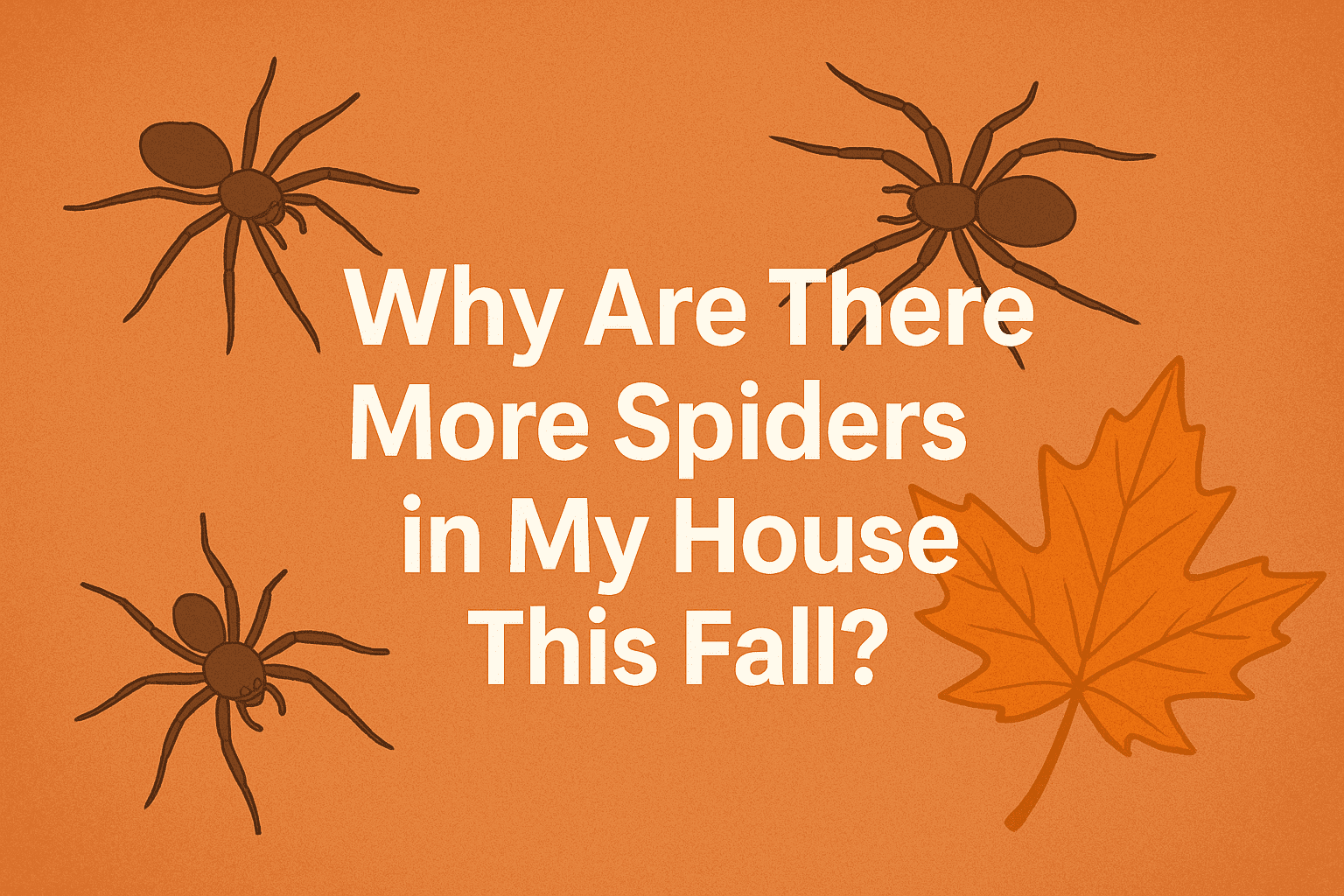
If you’ve noticed an unusual number of eight-legged visitors scurrying across your floors or hanging out in corners lately, you’re not imagining things. Fall brings a noticeable increase in indoor spider sightings, and it’s driving homeowners across the country, especially here in the U.S., to reach for their shoes and vacuum cleaners more often than usual.
But before you declare war on every spider you see, let’s talk about why they’re suddenly everywhere and what you can actually do about it. Understanding spider behavior helps you address the root cause rather than just swatting at symptoms.
It’s Spider Mating Season (Yes, Really)
Here’s the thing most people don’t realize: those spiders invading your space aren’t necessarily coming from outside. Many have been living quietly in your home all along. What changes in the fall is their behavior, particularly among male spiders.
Late summer through early fall marks mating season for most spider species in the United States. Male spiders, who’ve been hiding discreetly in dark corners and crevices, suddenly become bold adventurers. They abandon their safe hideouts and start wandering around—often in plain sight, desperately searching for female spiders.
This explains why you’re suddenly seeing spiders sprinting across your living room floor at 9 PM when you’re trying to watch TV. That male spider isn’t trying to scare you; he’s just on a mission to find a mate before the season ends.
Female spiders, meanwhile, tend to stay put in their webs or hiding spots. They’re less visible but definitely present. So when you see that one spider dashing across your bathroom tile, remember there are likely others you’re not seeing.
Spiders Are Looking for Winter Accommodations
Just like you wouldn’t want to spend winter outdoors without a coat, spiders are seeking warmth and shelter as temperatures drop. Your home offers everything they need: consistent temperature, protection from predators, and plenty of dark, undisturbed spaces perfect for riding out the cold months.
As autumn nights get chillier, spiders naturally gravitate toward heated structures. They slip through:
- Gaps around windows and doors
- Cracks in your home’s foundation
- Openings around utility lines and pipes
- Damaged window screens
- Vents without proper screening
- Garage doors that don’t seal completely
Once inside, they settle into attics, basements, closets, and other quiet areas where they’re unlikely to be disturbed. The difference is that fall migration happens more noticeably and in greater numbers than during other seasons.
They’re Following the Food Truck (AKA Other Bugs)
Here’s an often-overlooked fact: spiders don’t randomly choose where to live. They go where the buffet is open. And in the fall, that buffet is your house.
As outdoor temperatures drop, insects like flies, mosquitoes, beetles, and ants also seek indoor shelter. These bugs move into your walls, attic, basement, and living spaces to escape the cold. Spiders, being the opportunistic predators they are, follow their food source right through your front door.
Think of it this way: if you owned a restaurant and suddenly all your customers moved to a new neighborhood, you’d consider relocating too, right? That’s essentially what spiders are doing. More indoor insects equal more indoor spiders.
This creates a cycle where controlling one pest problem directly impacts the other. Reduce the insect population in your home, and you’ll naturally see fewer spiders.
Baby Spiders Are All Grown Up Now
Remember those spider egg sacs that hatched back in spring and early summer? Those tiny spiderlings have been growing steadily over the warm months, hidden away in cracks, crevices, and outdoor vegetation. By fall, they’ve reached adulthood.
The spider population in and around your home hasn’t necessarily increased; you’re just noticing them more now because:
- They’re larger and easier to spot
- Males are actively moving around during mating season
- They’re more visible against autumn’s changing landscape
- You’re spending more time indoors as the weather cools
This timing creates a perfect storm of spider visibility. What feels like an invasion is actually just nature’s annual cycle playing out in your living room.
How to Reduce Spiders in Your Home This Fall
Now for the practical stuff, what can you actually do about all these uninvited arachnid guests?
Clean and Declutter Strategically
Spiders love clutter because it provides hiding spots and reduces the chance of being disturbed. Target these areas:
- Storage boxes in basements, attics, and garages
- Piles of newspapers, magazines, or cardboard
- Unused corners behind furniture
- Closets with infrequently used items
- Under beds and in rarely accessed spaces
Regular vacuuming removes spiders, webs, and egg sacs before they become bigger problems. Pay special attention to baseboards, corners, ceiling edges, and behind appliances.
Seal Entry Points Like Your Home Depends on It
This is hands-down the most effective long-term solution. Conduct a thorough inspection of your home’s exterior and seal:
- Cracks in the foundation and walls
- Gaps around window frames and door jambs
- Openings around pipes, cables, and utility lines
- Damaged weatherstripping on doors
- Tears in window screens
- Spaces around air conditioning units
Use caulk for small gaps and expanding foam for larger openings. Install door sweeps on exterior doors, and make sure your garage door seals properly.
Control the Bug Buffet
Reducing other insect populations makes your home less attractive to spiders. Here’s how:
- Fix leaky faucets and pipes (moisture attracts many insects)
- Store food in airtight containers
- Take out the garbage regularly
- Clean up crumbs and spills promptly
- Don’t leave pet food out overnight
- Address any fruit fly or drain fly issues immediately
The fewer insects available for spiders to eat, the less appealing your home becomes as a hunting ground.
Rethink Your Outdoor Lighting
Exterior lights attract flying insects, which in turn attract spiders looking for an easy meal. Consider these adjustments:
- Switch to yellow or sodium vapor bulbs, which attract fewer insects
- Move lights away from doors and windows when possible
- Use motion sensors instead of leaving lights on all night
- Keep blinds and curtains closed at night to reduce light spillage
Creating a less insect-friendly perimeter around your home naturally reduces spider activity near entry points.
Frequently Asked Questions
Are the spiders in my house dangerous?
The vast majority of spiders found in U.S. homes are harmless to humans. Common house spiders, cellar spiders, and jumping spiders pose no threat. However, black widows and brown recluses do inhabit certain regions and can deliver medically significant bites. If you’re unsure about a spider species in your home, it’s best to contact a pest control professional for identification.
Will spiders go away on their own after the fall?
Male spiders typically die shortly after mating season ends, which can reduce visible spider activity. However, females often survive winter indoors and will lay eggs in spring, continuing the cycle. Without intervention, you’ll likely see spiders year-round, with peaks in fall.
Do spiders actually help control other pests?
Yes! Spiders are natural pest controllers, eating flies, mosquitoes, moths, and other insects. While having a few spiders around isn’t necessarily bad, most homeowners prefer to keep populations at manageable levels rather than sharing their living space with dozens of arachnids.
Can I prevent spiders without using chemicals?
Absolutely. The most effective spider prevention methods are mechanical: sealing entry points, removing clutter, reducing other insect populations, and maintaining cleanliness. These non-chemical approaches address the root causes rather than just killing individual spiders.
Get Professional Help for Your Spider Problem
While DIY methods work well for minor spider issues, significant infestations or recurring problems often require professional intervention. Pest control experts can identify specific spider species, locate entry points you might have missed, and implement comprehensive treatment plans that address both spiders and the insects that attract them.
If you’re tired of sharing your home with an army of eight-legged roommates this fall, it’s time to call in the professionals. Don’t let spiders take over your living space; take action now before their populations grow even larger.
Ready to reclaim your home from fall’s spider invasion?
Know more about Pest Control Dayton today to schedule a comprehensive inspection and treatment plan. Our experienced team understands exactly why spiders are invading your home this season and knows how to stop them for good. Contact us now for a free consultation and enjoy a spider-free home all year long!