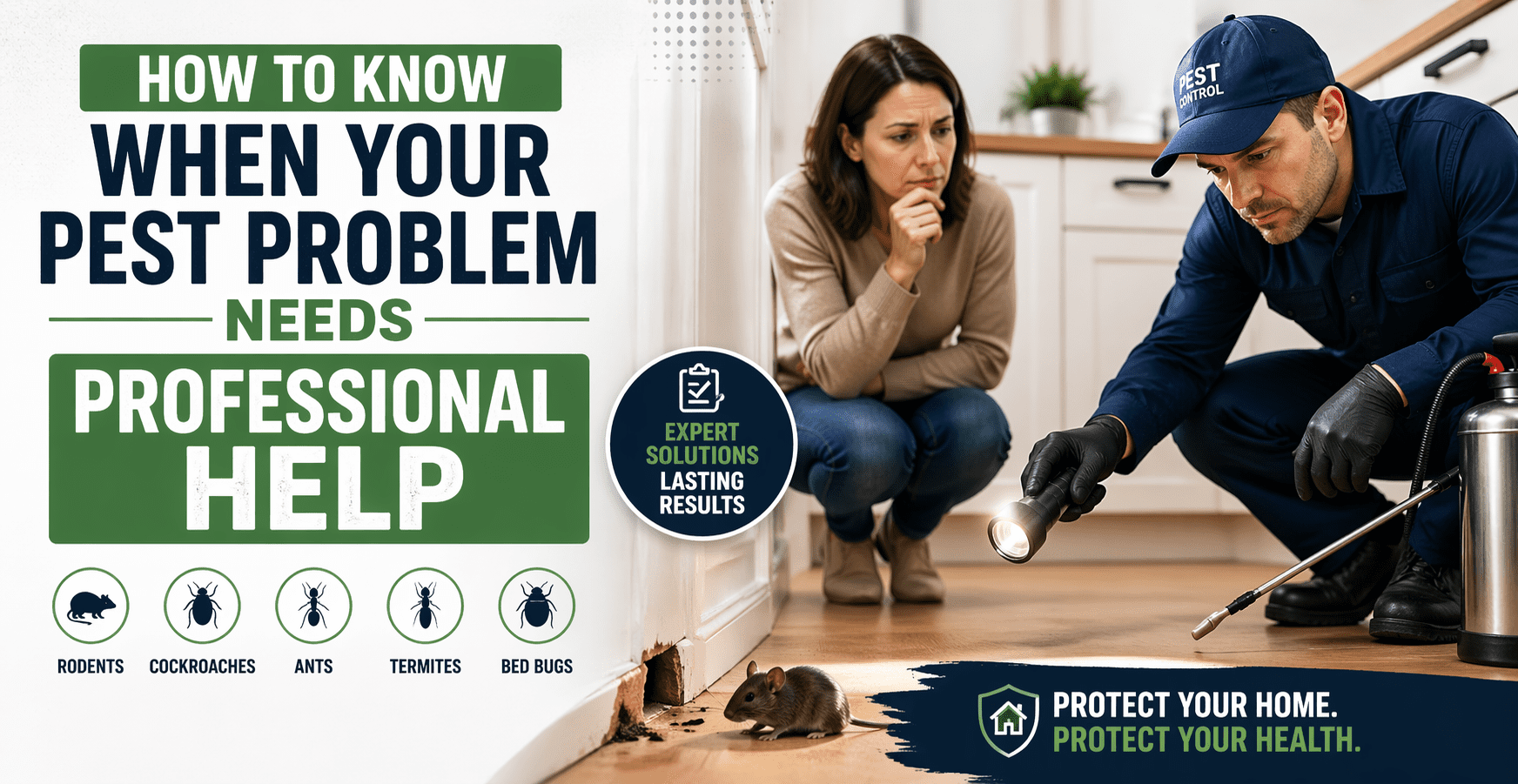
Scheduling a professional pest control service is an important step for any business. Whether the property is a restaurant, warehouse, office, retail space, or healthcare facility, pest activity can quickly create serious issues including customer complaints, damaged inventory, employee concerns, and potential health code violations.
The good news is that most commercial pest treatments work best when the business is properly prepared. A few simple steps before the appointment can improve treatment effectiveness, reduce disruption, and help prevent pests from returning.
This guide explains exactly how to prepare your business for a pest control service, what to expect during the visit, and how to support long-term prevention.
Why Preparation Matters for Commercial Pest Control
Commercial pest control is not just about applying products. It involves inspection, monitoring, and targeting the conditions that allow pests to thrive.
Proper preparation helps:
- Improve treatment results and speed up pest elimination
- Reduce downtime or disruption to daily operations
- Protect food, inventory, and sensitive materials
- Allow technicians access to high-risk pest areas
- Support long-term pest prevention strategies
- Reduce the need for repeated treatments
When preparation is ignored, pests often continue finding food, water, and shelter even after service, making infestations harder to control.
Step 1: Confirm Service Details Ahead of Time
Every pest situation is different. Preparation requirements vary depending on whether the treatment is for rodents, roaches, ants, termites, flies, or other pests.
Before the appointment, confirm:
- Which pests are being treated
- Whether the service includes interior, exterior, or both
- Whether the service requires temporary closure or restricted access
- Whether any areas need to be cleared or cleaned in advance
- What safety instructions apply to employees or customers
- Whether follow-up visits are required
A professional pest control provider should provide clear preparation guidelines before arriving on-site.
Step 2: Notify Employees and Assign a Point of Contact
Commercial pest control works more efficiently when a manager or supervisor is available during the service. Technicians often need access to storage rooms, utility closets, basements, loading docks, and other restricted areas.
Before service:
- Notify employees of the scheduled date and time
- Inform staff of which areas may be treated
- Instruct employees not to disturb bait stations or traps
- Assign one staff member as the primary contact
A single point of contact helps reduce delays and ensures the technician can complete the service without interruption.
Step 3: Clean Key Areas to Remove Food Sources
Sanitation plays a major role in pest control success. Even the best treatment plan becomes less effective when pests continue to find food and grease buildup.
Areas that should be cleaned before service include:
- Break rooms and staff kitchens
- Food prep areas
- Pantry storage zones
- Under sinks and behind appliances
- Floors near storage shelves
- Dumpster and waste storage areas
Special attention should be given to grease buildup, food crumbs, and sticky spills, which attract pests like cockroaches, ants, and flies.
Step 4: Clear Clutter and Improve Technician Access
Pests hide where people do not look. Cluttered storage areas create ideal shelter for insects and rodents and make treatment more difficult.
To prepare:
- Move boxes away from walls
- Clear access to baseboards and corners
- Organize storage rooms and supply closets
- Avoid stacking items directly on the floor
- Remove unused cardboard packaging when possible
Cardboard is especially attractive to pests, particularly cockroaches and rodents. Storing supplies in plastic bins is often a better long-term solution.
Step 5: Secure Food, Packaging, and Sensitive Inventory
For businesses that store or handle food, proper preparation is critical. Even in office settings, employee snacks and vending areas can attract pests.
Before pest control service:
- Seal food in airtight containers
- Remove open food packaging from shelves
- Cover food prep surfaces if required
- Store utensils, plates, and clean supplies safely
- Protect product packaging and customer-facing items
- Move inventory away from walls where possible
For warehouses and retail stockrooms, keeping items elevated and spaced improves both pest prevention and inspection visibility.
Step 6: Empty Trash and Clean Waste Areas
Trash attracts pests faster than almost anything else. Rodents, flies, roaches, and ants are especially active around waste collection zones.
Before treatment:
- Empty indoor trash bins
- Clean trash cans if residue is present
- Ensure dumpster lids close properly
- Remove spilled liquids near trash areas
- Clean behind dumpsters and grease traps
If a business has grease disposal containers, those should be sealed and checked regularly. Grease is one of the most common causes of recurring roach activity.
Step 7: Address Moisture Issues Before the Appointment
Moisture is one of the top reasons pests stay active indoors. Cockroaches, ants, drain flies, and rodents are all attracted to water sources.
Before service, inspect for:
- Leaking pipes under sinks
- Dripping faucets
- Standing water in basements or storage areas
- Condensation around HVAC systems
- Wet mop buckets stored overnight
Fixing moisture problems can significantly improve pest control results and reduce future infestations.
Step 8: Prepare the Exterior of the Property
Many commercial infestations start outside and move inward. Exterior preparation supports the effectiveness of perimeter treatments and helps reduce entry points.
Key exterior tasks include:
- Trimming bushes and branches touching the building
- Removing leaf piles and debris near entrances
- Clearing standing water around the foundation
- Sealing gaps near loading docks and garage doors
- Inspecting door sweeps and exterior weather stripping
- Ensuring vents and screens are intact
Businesses with outdoor seating should also ensure patios and outdoor trash bins are cleaned and maintained.
Step 9: Know What Happens During a Commercial Pest Control Visit
A professional commercial pest control appointment typically includes inspection and treatment.
During the visit, technicians may:
- Inspect pest-prone areas such as kitchens, bathrooms, and storage rooms
- Apply targeted treatments in cracks and crevices
- Place traps or bait stations
- Treat exterior entry points and perimeter zones
- Identify pest activity patterns and possible causes
- Provide recommendations to prevent pest recurrence
Depending on the service plan, monitoring devices may be installed for ongoing pest control management.
Step 10: Follow Post-Service Instructions Carefully
After treatment, businesses should follow all instructions provided by the pest control provider. This step is essential for safety and effectiveness.
Common post-service recommendations include:
- Avoid washing treated areas for 24 to 48 hours
- Do not move or remove bait stations
- Keep treated areas dry
- Continue routine sanitation practices
- Monitor pest activity and report changes quickly
If the technician recommends sealing gaps or improving storage practices, those changes should be made as soon as possible to prevent reinfestation.
Quick Commercial Pest Control Preparation Checklist
For quick reference, use this checklist before service:
- Confirm treatment type and instructions with the pest control provider
- Notify employees and assign a manager for technician access
- Clean break rooms, kitchens, and food prep zones
- Remove clutter and clear storage room access
- Seal food and protect sensitive inventory
- Empty trash and clean dumpster areas
- Fix leaks and moisture issues
- Trim landscaping and reduce exterior hiding spots
- Ensure doors and entry points are sealed
- Follow post-treatment guidelines after service
This preparation process supports faster pest elimination and reduces long-term pest risk.
FAQs: Preparing a Business for Pest Control Service
Does a business need to shut down during pest control treatment?
In many cases, no. Most commercial treatments are designed to allow businesses to continue operating. However, certain treatments may require restricted access or temporary closure depending on the industry and pest issue.
How often should a business schedule pest control services?
Most businesses benefit from monthly or quarterly pest control service. Restaurants, warehouses, and food-related businesses often require more frequent service to stay compliant and protected.
Is commercial pest control safe for employees and customers?
Yes, when performed by licensed professionals using approved methods. Businesses should follow all safety instructions and keep customers away from treated areas if advised.
Should food be removed before pest control treatment?
In food handling areas, food should be sealed or stored properly. Some services may require food to be removed or covered depending on treatment type.
What if pests return after treatment?
Many commercial pest issues require follow-up visits. A reliable pest control company will adjust the treatment plan and provide continued monitoring until the issue is resolved.
What are the most common pest problems in commercial buildings?
The most common commercial pests include cockroaches, ants, rodents, flies, spiders, and stored product pests. Pest risks vary based on the type of business and building conditions.
Final Thoughts: Preparation Leads to Better Results
Preparing a business for pest control service is not complicated, but it makes a major difference. Clean conditions, clear access, sealed food sources, and moisture control all help ensure treatments work efficiently and provide lasting protection.
Commercial pest control is most successful when the service is paired with proactive prevention. The goal is not only to eliminate pests but to stop them from returning.
Schedule Commercial Pest Control in Dayton Today
If your business needs reliable pest control, fast response, and a plan built for long-term prevention, professional support is essential. Pest problems can damage a business’s reputation quickly and create costly disruptions.
Pest Control Dayton provides dependable commercial pest control services designed to protect offices, restaurants, warehouses, retail locations, and more.
Visit Pest Control Dayton today to schedule service and keep your business protected, compliant, and pest-free year-round.