
Pest problems can be frustrating, whether you are dealing with cockroaches in the kitchen, ants in the garden, or rodents in the roof. While pest control is essential for protecting your home and family from health risks and property damage, it’s equally important to ensure it’s done safely. Improper use of chemicals or unsafe handling can pose risks to humans, pets, and the environment.
In this article, we’ll explore the key safety measures you should follow when managing pests, either through professional services or DIY methods. If you’re looking for reliable and safe solutions, professional pest control in Dayton offers comprehensive treatments while keeping safety a top priority.
Why Safety in Pest Control Matters
Pesticides and pest control techniques are designed to eliminate unwanted pests, but they can also affect non-target organisms if not handled correctly. Chemicals may contaminate food, water, soil, or even the air if applied without proper care. In addition, misuse of traps or sprays can pose physical dangers to children and pets.
That’s why professional pest control services in Dayton and beyond are committed to using safe, approved products and methods that minimise risks while still being effective.
Safety Measures to Follow During Pest Control
1. Hire Licensed Professionals
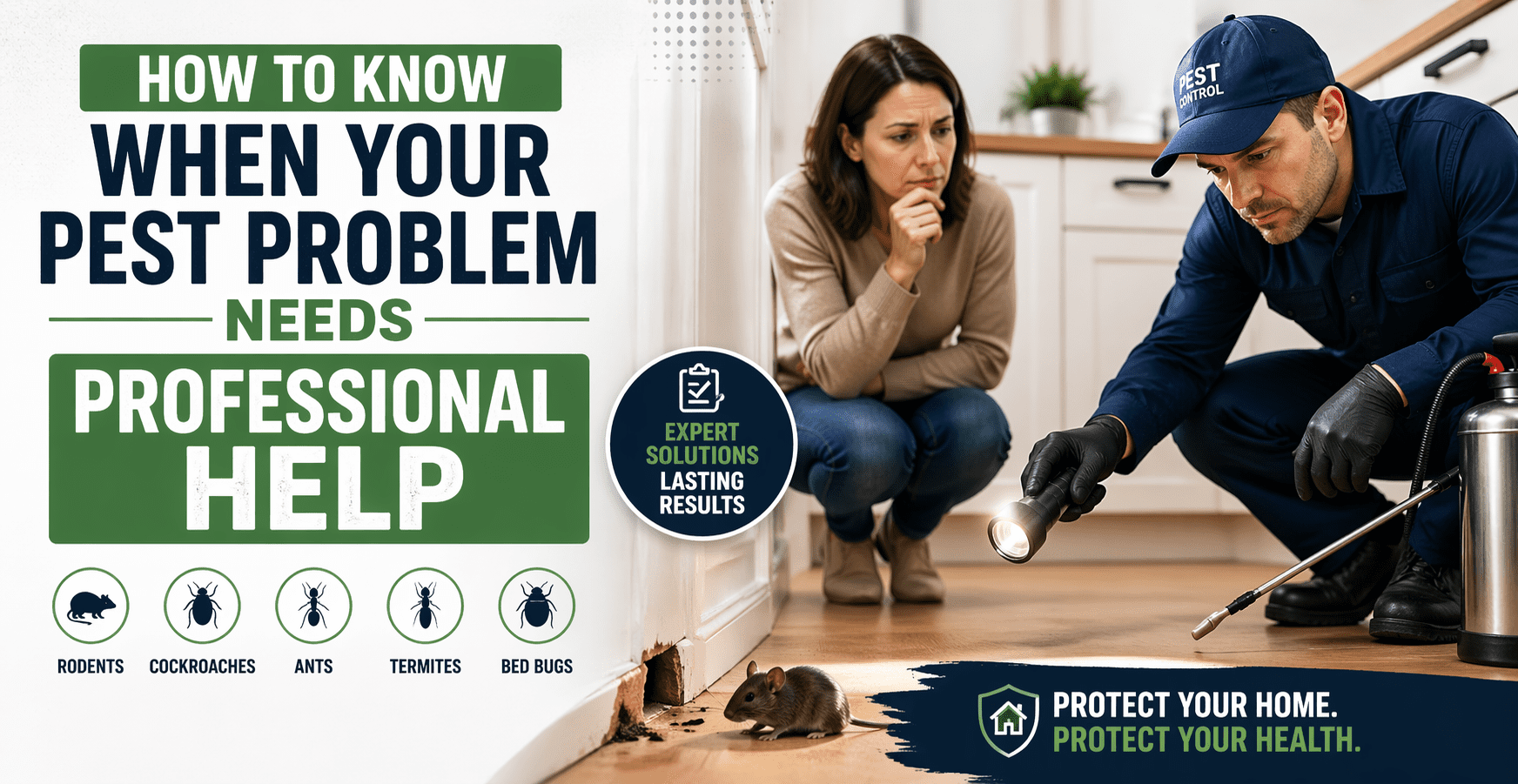
One of the safest approaches is to hire trained technicians. Licensed experts understand the right chemicals, dosages, and application techniques for different pests. They also follow regulations set by environmental and health authorities, ensuring treatments are safe for your household.
When choosing pest control in Dayton, always ask about their certifications and experience. A reputable company will be transparent about its processes and the products it uses.
2. Choose Eco-Friendly and Low-Toxicity Solutions
Modern pest control methods have evolved significantly. Instead of relying on harsh chemicals, many services now offer eco-friendly alternatives that are less toxic but still highly effective. These options reduce harm to the environment and are safer for families with children or pets.
If possible, ask your provider about integrated pest management (IPM) solutions. IPM focuses on prevention, monitoring, and targeted treatments rather than heavy chemical use.
3. Keep Children and Pets Away
During pest control treatments, children and pets should be kept out of the treated areas until it’s completely safe to return. Even if non-toxic solutions are used, direct contact with freshly treated surfaces may cause irritation.
Professionals will usually advise you on how long to stay away from treated zones. Following these instructions strictly is key to keeping your household safe.
4. Store Chemicals Safely
If you use DIY pest control products, always store them properly. Keep sprays, powders, and baits in their original containers with labels intact. Store them in a locked cabinet or high shelf, away from food, children, and pets.
Never transfer pesticides into food or drink containers, as this could lead to accidental ingestion.
5. Ventilate Treated Areas
After pest control treatments, it’s a good idea to ventilate your home by opening windows and doors. This helps disperse any lingering fumes and ensures fresh air circulates throughout the space.
If your home requires fumigation or more intensive treatments, professionals will guide you on the necessary waiting period before re-entering.
6. Avoid Overuse of Products
Using more pesticide than recommended won’t necessarily solve your pest problem faster. In fact, overuse can increase the risk of harmful exposure and damage to your home environment. Always follow the instructions provided by the manufacturer or your pest control technician.
7. Dispose of Waste Properly
Empty pesticide containers, old baits, and used traps must be disposed of correctly. Check your local council’s guidelines for hazardous waste disposal, as tossing them into regular bins could contaminate the environment.
Professional pest control providers in Dayton will usually handle disposal responsibly as part of their service.
Ongoing Safety Practices for a Pest-Free Home
Apart from direct treatments, there are preventive measures you can take to minimise the need for pesticides in the first place:
- Seal cracks and entry points: Prevent pests from getting inside by fixing gaps around doors, windows, and plumbing.
- Keep your home clean: Regular cleaning reduces food and water sources that attract pests.
- Store food securely: Use sealed containers to keep pests like ants, cockroaches, and rodents away.
- Maintain gardens: Trim plants, remove standing water, and keep compost bins properly sealed.
By combining preventive practices with professional pest control in Dayton, you can enjoy long-lasting protection without compromising safety.
Final Thoughts
Pest control is about more than just eliminating unwanted critters; it’s about doing so responsibly and safely. Whether you opt for professional services or manage small issues yourself, safety should always come first.
From hiring licensed experts and using eco-friendly methods to storing chemicals properly and following post-treatment guidelines, these measures help protect your family, pets, and environment.
If you’re facing persistent pest issues, choosing professional pest control in Dayton is the safest and most effective solution. With the right approach, you can keep your home pest-free while ensuring the health and well-being of everyone inside.