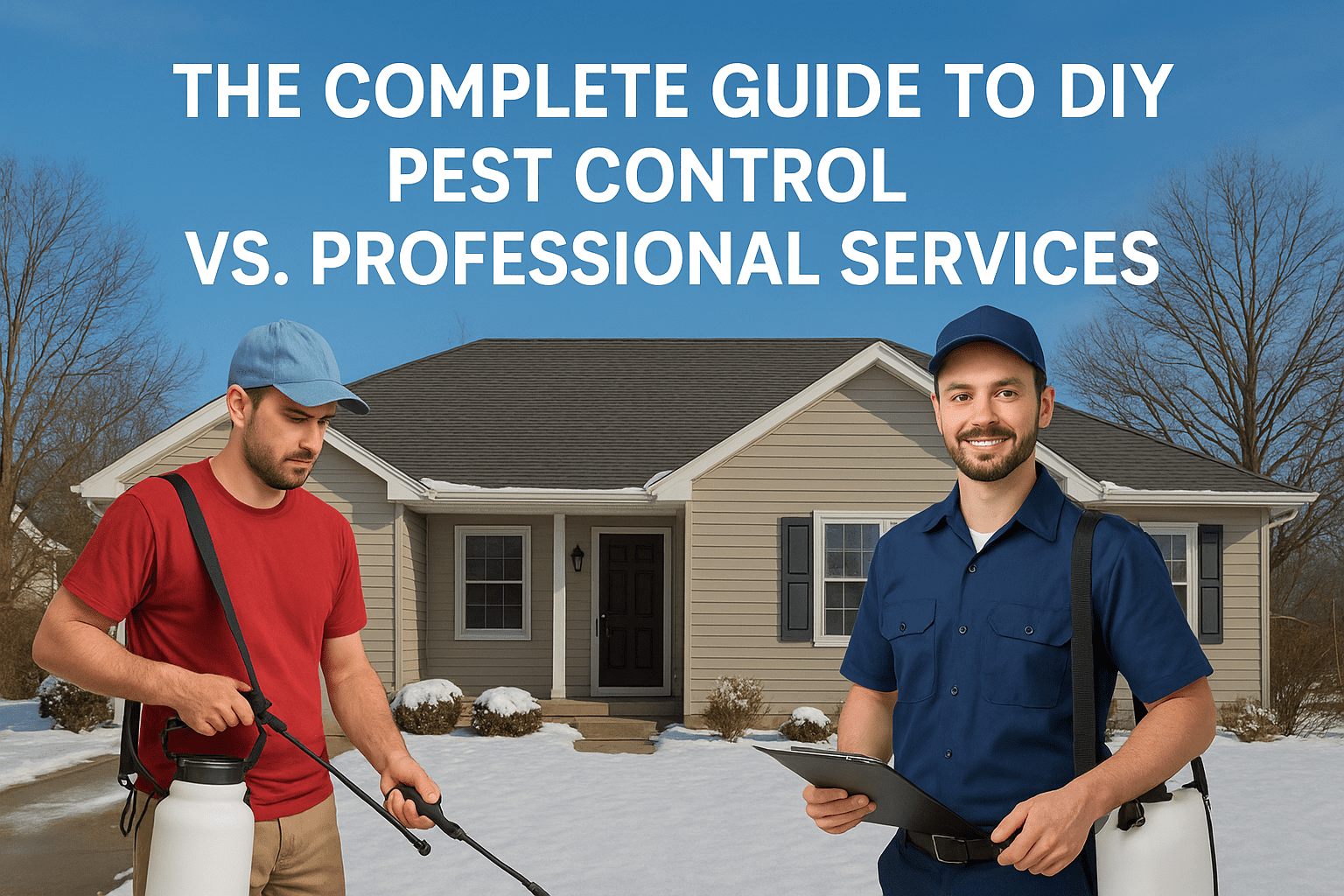
When you spot a trail of ants in your kitchen or hear mice scratching in your walls, the big question hits: Should you handle it yourself or call in the pros?
It’s a decision thousands of American homeowners face every year, and there’s no one-size-fits-all answer. The truth is, both DIY pest control and professional services have their place. What matters is knowing which approach works best for your specific situation.
Let’s break down everything you need to know to make the smartest choice for your home and budget.
Understanding DIY Pest Control
DIY pest control has come a long way. Today’s homeowners have access to many of the same products professionals use, available right at local hardware stores or online retailers.
What DIY pest control typically includes:
- Store-bought sprays, baits, and traps
- Natural remedies like essential oils or diatomaceous earth
- Preventive measures like sealing entry points
- Basic sanitation and exclusion techniques
- Over-the-counter foggers and bombs
The appeal is obvious; it feels more affordable upfront, you can act immediately, and there’s satisfaction in solving problems yourself.
When DIY Pest Control Makes Sense
For certain situations, the DIY approach works perfectly fine and can save money.
Good candidates for DIY treatment:
- Minor ant problems (small trails, not carpenter ants)
- Single spider sightings or occasional house spiders
- Fruit flies in the kitchen
- Preventive maintenance and seasonal prep
- Small-scale outdoor pest control for gardens
- Addressing entry points and exclusion work
Key success factors for DIY:
The pest problem is caught early, before it spreads. There’s only one area affected, not multiple rooms or floors. You have time to research proper techniques and products. The infestation is visible and accessible, not hidden in walls. You’re comfortable handling chemicals safely and following label directions exactly.
Many homeowners successfully handle minor pest issues on their own, especially when they’re proactive about prevention.
The Hidden Costs of DIY
Here’s where things get tricky. That $15 can of spray seems cheap until you realize you’re dealing with something bigger.
Common DIY pitfalls:
Using the wrong product for the pest (not all bugs respond to the same treatment). Applying treatments incorrectly, which can make problems worse. Buying multiple products because the first one didn’t work. Missing the root cause—treating symptoms instead of the source. Creating resistance by using products improperly.
There’s also the time investment. Researching products, making multiple store trips, applying treatments, monitoring results, and repeating when necessary adds up quickly.
One homeowner recently shared that she spent over $200 on various ant products over three months before finally calling professionals who solved it in one treatment. The DIY route isn’t always the budget-friendly option it appears to be.
When to Call Professional Pest Control
Some situations simply require professional expertise, equipment, and products that aren’t available to consumers.
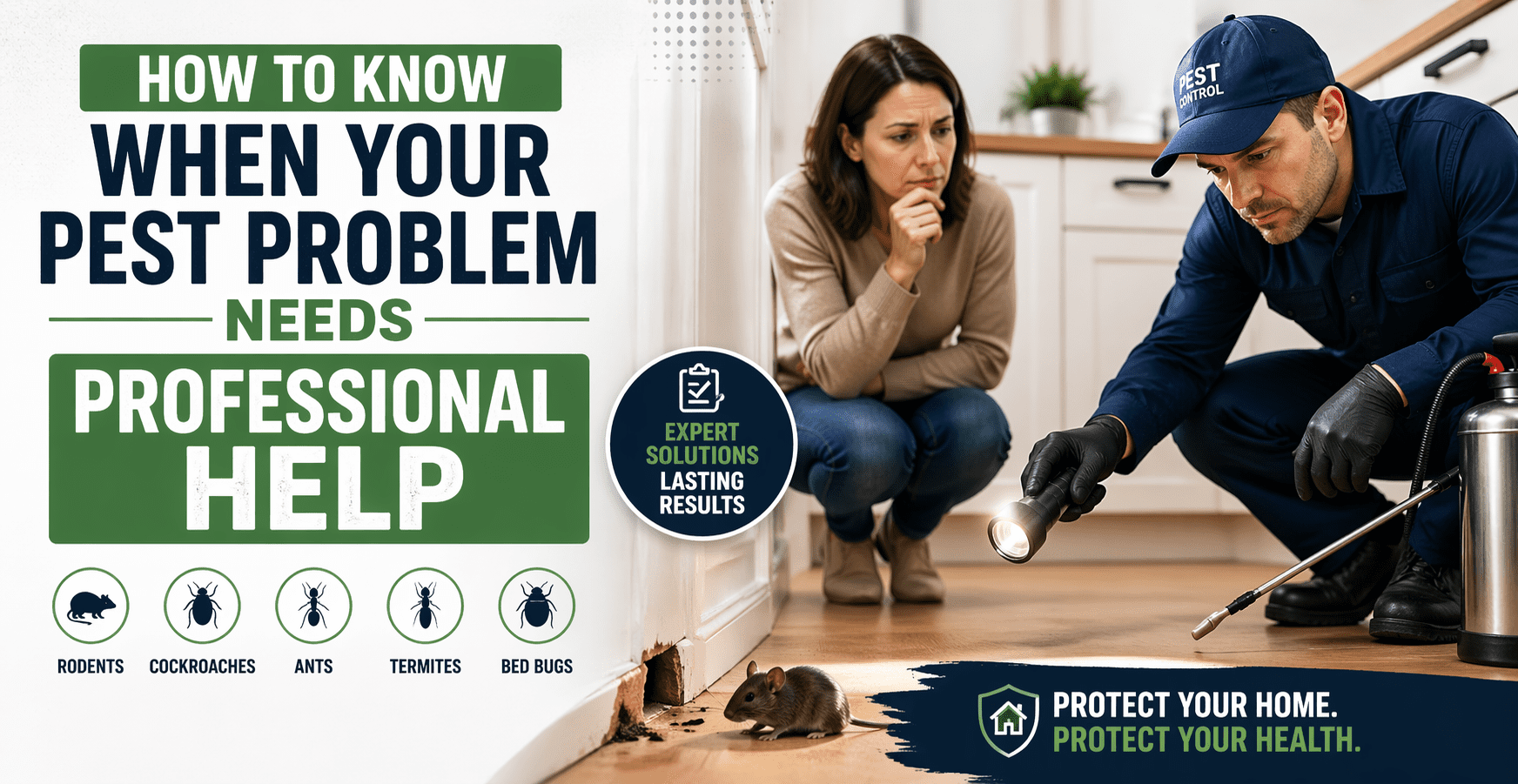
Signs you need professional help:
- Termites (this should never be DIY—the stakes are too high)
- Bed bugs (notoriously difficult to eliminate completely)
- Large rodent infestations (multiple mice or any rats)
- Carpenter ants or other wood-destroying insects
- Stinging insects like wasps, hornets, or yellow jackets
- Cockroach infestations (they spread rapidly and carry disease)
- Any pest problem that returns after DIY treatment
- Infestations in hard-to-reach areas like crawl spaces or attics
Serious situations requiring immediate professional attention:
Venomous spiders like black widows or brown recluses. Signs of structural damage from pests. Pests near food preparation areas in commercial settings. Any situation where someone in the home has allergies or health conditions. Problems that span multiple areas of the home.
What Professional Pest Control Really Offers
Professional pest control is about more than just spraying chemicals. It’s a comprehensive approach that DIY methods can’t replicate.
Professional advantages:
Accurate identification, knowing exactly what pest you’re dealing with makes all the difference. Professionals are trained to spot species that look similar but require different treatments.
Access to commercial-grade products that are more effective and longer-lasting than consumer options. These aren’t available in stores for good reason—they require proper training to use safely.
Integrated Pest Management (IPM) approaches that combine multiple strategies for long-term control. This includes habitat modification, exclusion, monitoring, and targeted treatments.
Warranty and follow-up visits ensure the problem is actually solved. Most professional services include callbacks if pests return within the warranty period.
Safety expertise matters when applying chemicals around children, pets, and sensitive areas. Professionals know proper application rates, timing, and precautions.
Equipment and tools that most homeowners don’t own—specialized sprayers, dusters, and safety gear designed for effective treatment.
The Real Cost Comparison
Let’s talk numbers because this is where many people make their decision.
Average DIY costs:
- Basic sprays and traps: $10-$40 per treatment
- Multiple products over several weeks: $50-$200
- Specialized equipment if needed: $30-$100
- Time investment: 5-15 hours (your time has value too)
Average professional costs:
- One-time treatment: $100-$300 depending on pest and home size
- Initial treatment with follow-ups: $300-$600
- Quarterly maintenance plans: $400-$800 annually
- Specialized treatments (termites, bed bugs): $500-$3,000+
The math isn’t always straightforward. A $150 professional treatment that solves the problem completely beats spending $200 on failed DIY attempts.
Also read:- What is the Pest Control Cost in Dayton
Making Your Decision: A Practical Framework
Here’s a simple decision-making process to follow:
Start by answering these questions:
How severe is the problem? A few ants versus an infestation. What pest are you dealing with? Identify it correctly first. Is it in a difficult-to-access area? Walls, attics, and crawl spaces complicate DIY. Have you tried DIY already? If yes, and it didn’t work—that’s your answer. Can you afford to wait and experiment? Some pests cause damage quickly.
The hybrid approach:
Many homeowners find success with a combination strategy. Handle minor, preventive measures yourself, like sealing entry points, maintaining cleanliness, setting out occasional traps, and monitoring for early signs.
Then bring in professionals for comprehensive inspections, specialized treatments, quarterly preventive services, and dealing with any serious infestations.
This gives you the best of both worlds: cost savings where appropriate and expert help when you need it.
Common Myths About Professional Pest Control
Let’s clear up some misconceptions:
Myth: Professionals just spray chemicals everywhere. Reality: Modern pest control uses targeted treatments and IPM strategies. Many focus on prevention and exclusion first.
Myth: DIY is always cheaper. Reality: Failed DIY attempts often cost more in the long run, especially when pests cause property damage during extended infestations.
Myth: Professional treatments are dangerous for pets and kids. Reality: Licensed professionals use EPA-approved products applied according to strict safety protocols. They know exactly where and when to apply treatments safely.
Myth: One professional treatment fixes everything forever. Reality: Some pests require ongoing management. Honest professionals explain realistic expectations upfront.
Frequently Asked Questions
How quickly do professional treatments work compared to DIY?
Professional treatments typically show results within 24-48 hours for the most common pests, while DIY methods may take weeks or may not work at all if the wrong product is used.
Are professional pest control products safe for homes with children and pets?
Yes, when applied by licensed professionals following label directions. They use EPA-registered products and know proper application techniques. They can also advise on necessary precautions, like keeping pets away during treatment.
Can DIY pest control make an infestation worse?
Absolutely. Using foggers incorrectly can scatter roaches throughout a home. Improper baiting can cause ants to split colonies. Partial treatments can create pesticide resistance.
How often should homes get professional pest control treatments?
Most professionals recommend quarterly treatments for preventive maintenance, though this varies by region, pest pressure, and home conditions. Some situations only need one-time treatments.
What credentials should professional pest control companies have?
Look for state licensing, insurance coverage, certification from organizations like the National Pest Management Association, and positive customer reviews. Technicians should have proper training and credentials.
Is a maintenance plan worth it, or should you just call when there’s a problem?
Maintenance plans typically cost less per visit and prevent problems before they start. They’re especially valuable in areas with high pest pressure or for homes that have had previous infestations.
Making the Smart Choice for Your Home
The DIY versus professional pest control debate isn’t about which is universally better—it’s about matching the right solution to your specific situation.
Minor problems caught early? DIY might work fine. Serious infestations, dangerous pests, or failed DIY attempts? Professional help is the smart move.
Think of it like home repairs. You might change a light bulb yourself, but you call an electrician to rewire your house. Pest control works the same way.
Get Expert Help When You Need It
Whether you’ve tried the DIY route without success or you’re facing a pest problem that needs professional expertise, Pest Control Dayton is here to help.
Our team brings years of experience handling everything from minor ant problems to serious termite infestations. We use integrated pest management approaches that are effective, safe, and designed for long-term results.
What sets Pest Control Dayton apart:
- Licensed, trained technicians who stay current on the latest techniques
- Customized treatment plans based on your specific pest issues
- Safe, family-friendly products and application methods
- Comprehensive inspections that identify root causes
- Warranties and follow-up services for peace of mind
- Transparent pricing with no hidden fees
We understand that dealing with pests is stressful. Our goal is to solve your problem quickly, safely, and permanently while providing the information you need to prevent future issues.
Ready to take back your home from unwanted pests?
Learn more about Pest Control Dayton today for a free inspection and quote. Our friendly team will assess your situation, explain your options, and provide honest recommendations, whether that’s a one-time treatment or an ongoing maintenance plan.
Don’t let pest problems grow bigger and more expensive. Contact Pest Control Dayton now and discover why homeowners across the area trust us for all their pest control needs. Call today, your pest-free home is just one click away.