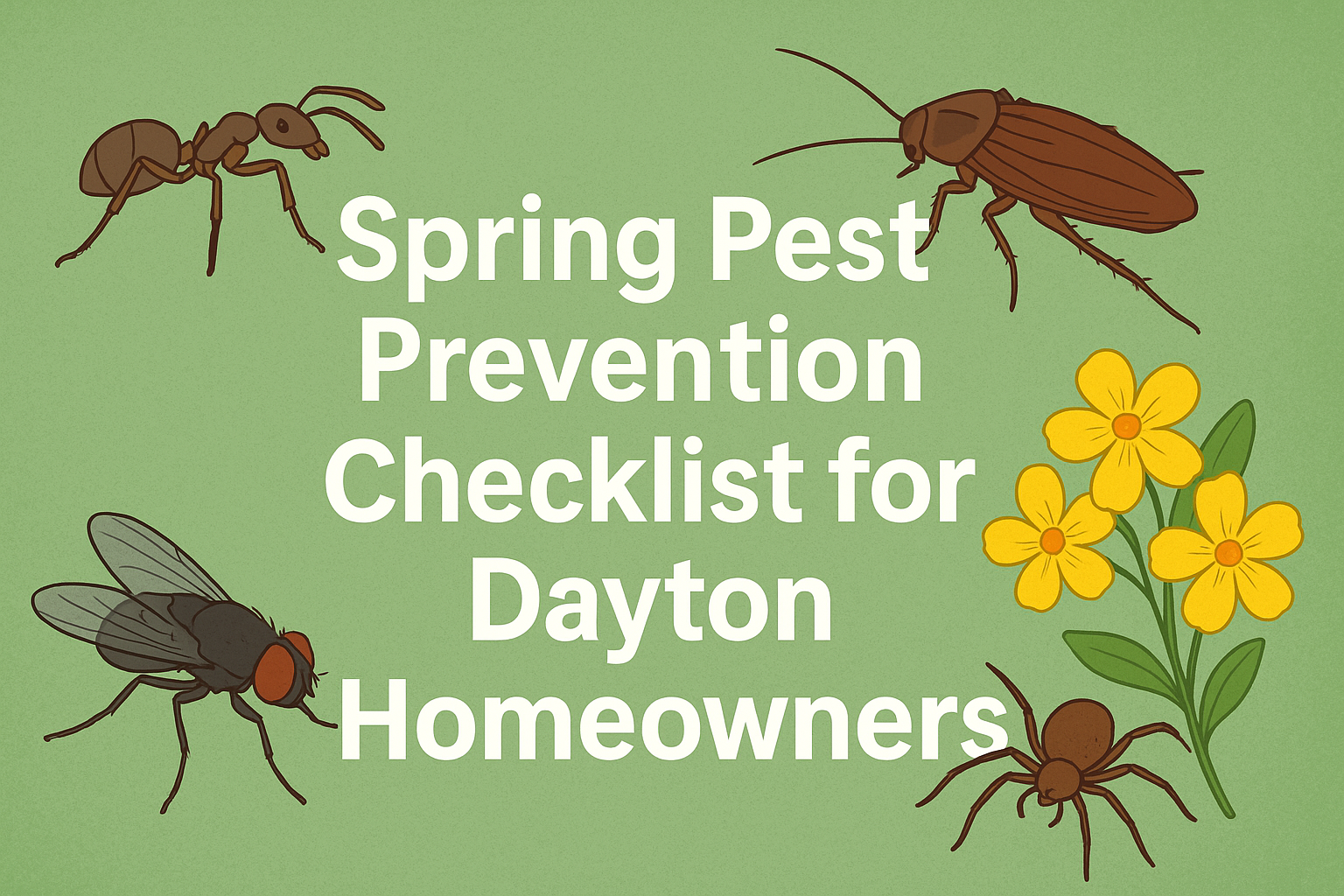
As the snow melts and temperatures climb in Dayton, Ohio, we’re not the only ones excited about spring’s arrival. Unfortunately, warmer weather also signals the beginning of pest season, when unwanted visitors start looking for food, water, and shelter—often in our homes. Whether you’re a longtime resident or new to the Dayton area, understanding how to protect your property from spring pests is essential for maintaining a comfortable, healthy living environment.
The good news? With the right preventative measures, you can keep your home pest-free throughout the season. This comprehensive spring pest prevention checklist will help you stay one step ahead of the critters looking to crash your spring celebration.
Understanding Common Spring Pests in Dayton
Before we dive into prevention strategies, let’s talk about who we’re up against. Dayton’s climate creates the perfect conditions for several problematic pests during spring months.
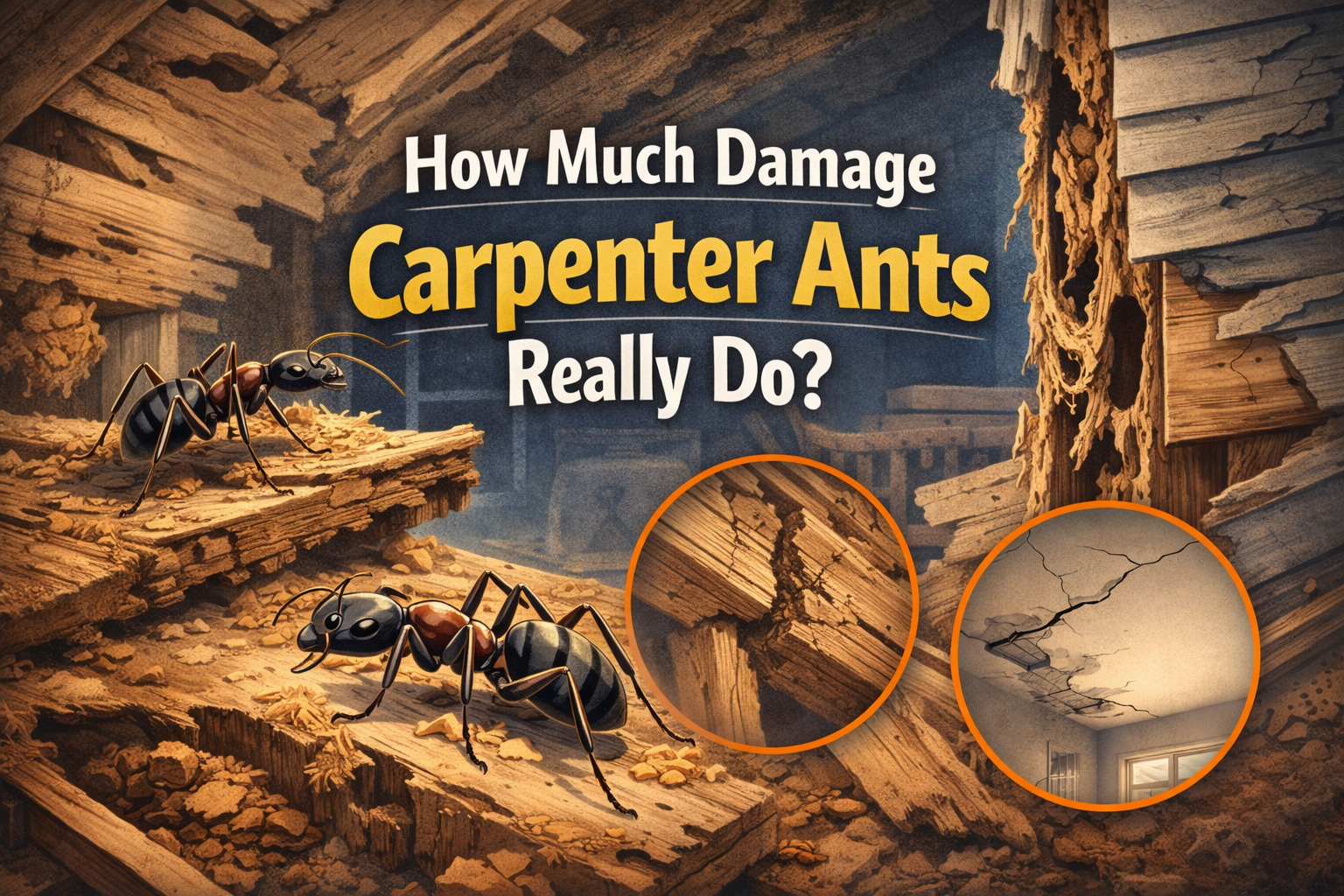
Ants are typically the first uninvited guests, with carpenter ants and odorous house ants leading the charge. These tiny invaders follow scent trails straight into your kitchen, searching for any crumb or spill they can find.
Termites become active as the ground warms, with swarmers emerging to establish new colonies. Given that termites cause billions in property damage nationwide each year, early detection is crucial for Dayton homeowners.
Mosquitoes start breeding in standing water as temperatures rise above 50°F. With Ohio’s spring rains, they find plenty of opportunities to multiply rapidly in your yard.
Stinging insects like wasps, hornets, and bees begin building nests in eaves, attics, and tree branches. Queens emerge from winter hibernation ready to establish their colonies.
Spiders increase their activity as they hunt for the other insects now populating your property, often finding their way indoors through tiny cracks and gaps.
Understanding these common culprits helps you target your prevention efforts where they’ll matter most.
Essential Spring Pest Prevention Tips
Effective pest control Dayton homeowners can implement starts with these fundamental strategies:
Seal Entry Points
- Inspect your home’s exterior for cracks, gaps, and holes, paying special attention to areas where utilities enter
- Apply weatherstripping to doors and windows
- Use caulk to seal foundation cracks and gaps around pipes
- Install door sweeps on all exterior doors
- Repair damaged screens on windows and vents
Eliminate Moisture Sources
- Fix leaky faucets, pipes, and appliances promptly
- Ensure proper drainage around your foundation
- Clean gutters and downspouts to prevent water accumulation
- Use dehumidifiers in damp basements or crawl spaces
- Remove standing water from flower pots, birdbaths, and yard decorations
Maintain Your Yard
- Trim tree branches and shrubs away from your home’s exterior (maintain at least a 3-foot clearance)
- Remove leaf litter, mulch buildup, and debris from around your foundation
- Keep firewood stacked at least 20 feet from your home and elevated off the ground
- Mow your lawn regularly and remove tall grass or weeds
- Clear out clogged gutters where pests love to nest
Practice Proper Food Storage
- Store pantry items in airtight containers
- Clean up spills and crumbs immediately
- Take out garbage regularly and use bins with tight-fitting lids
- Don’t leave pet food out overnight
- Keep your kitchen clean, including behind appliances where crumbs accumulate
These spring pest prevention measures create an inhospitable environment that discourages pests from taking up residence in your home.
The Importance of Regular Home Inspections
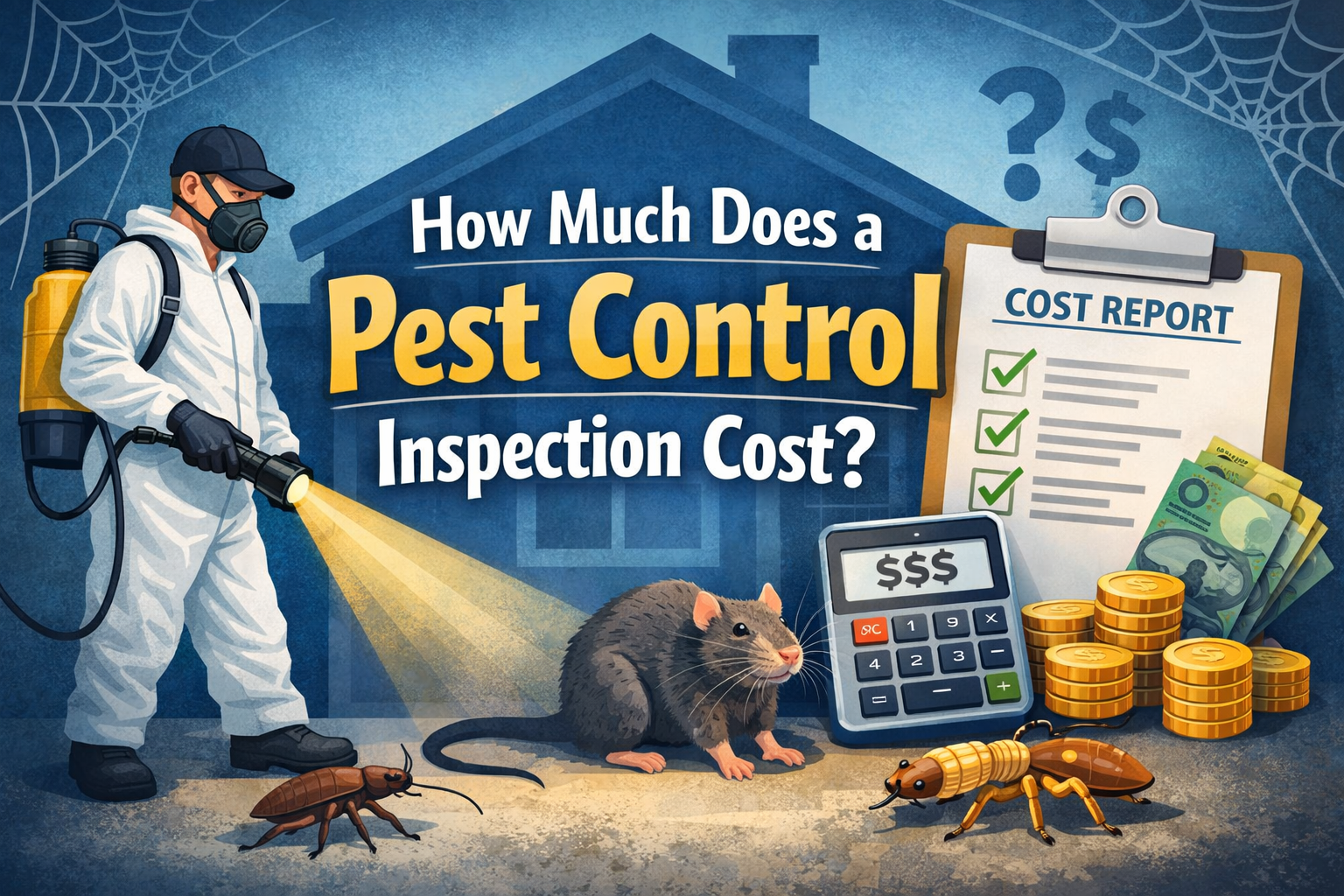
A proactive home pest inspection can save you thousands of dollars in repair costs and protect your family’s health. Spring is the ideal time to conduct a thorough inspection of your property, both inside and out.
Start with your basement and attic—two areas where pest activity often goes unnoticed. Look for droppings, gnaw marks, nesting materials, and any signs of structural damage. Check stored items like boxes and old furniture, as these create perfect hiding spots for rodents and insects.
Examine your home’s exterior carefully. Walk the perimeter looking for cracks in the foundation, damaged siding, or gaps around windows and doors. Inspect your roof for missing shingles or damaged flashing that could provide entry points.
Don’t forget about your crawl space if you have one. These dark, often damp areas attract pests like termites, rodents, and spiders. Ensure proper ventilation and consider installing a vapor barrier if moisture is an issue.
For Dayton homeowners, scheduling a professional home pest inspection in early spring, before pest populations explode, provides peace of mind and allows you to address vulnerabilities before they become infestations.
Eco-Friendly Pest Control Options
Many Dayton residents are increasingly concerned about using harsh chemicals around their homes, especially with children and pets. Fortunately, effective eco-friendly pest solutions exist that protect your home while minimizing environmental impact.
Natural repellents like peppermint oil, vinegar, and diatomaceous earth can deter many common pests without toxic chemicals. Strategically placing these substances around entry points creates barriers that insects avoid.
Beneficial insects can be your allies in the garden. Ladybugs, lacewings, and praying mantises naturally control aphids and other plant-damaging pests. Native plants also attract these helpful creatures while supporting local ecosystems.
Physical barriers remain one of the most environmentally friendly pest control methods. Properly installed screens, door sweeps, and sealed cracks prevent pests from entering without any chemicals whatsoever.
Biological controls use naturally occurring organisms to target specific pests. For example, Bacillus thuringiensis (Bt) effectively controls mosquito larvae without harming other wildlife.
While DIY eco-friendly methods work well for prevention, established infestations may require professional intervention. Many pest control companies now offer green treatment options that balance effectiveness with environmental responsibility.
When to Call in the Professionals
Despite your best preventative efforts, sometimes professional help becomes necessary. Knowing when to contact pest control experts can prevent minor issues from becoming major problems.
Call a professional if you notice:
- Multiple pests appearing regularly inside your home
- Evidence of termite activity, including mud tubes or discarded wings
- Damage to wood structures, insulation, or wiring
- Wasp or hornet nests near high-traffic areas
- Signs of rodent activity like droppings, gnaw marks, or scratching sounds in walls
- Recurring infestations despite your DIY efforts
Professional pest control services in Dayton offer expertise, specialized equipment, and treatment options unavailable to homeowners. They can identify pest species accurately, locate hidden nests or entry points, and implement targeted treatments that eliminate current infestations while preventing future problems.
Many companies also offer seasonal maintenance plans that provide regular inspections and treatments, keeping your home protected year-round without the stress of managing pest control yourself.
Frequently Asked Questions
What are the signs of a pest infestation?
Common warning signs include droppings, unusual odors, damage to food packaging, gnaw marks on furniture or walls, nesting materials, strange sounds in walls or ceilings, and actually seeing pests during daytime hours (many pests are nocturnal and only appear during the day when populations are high).
How can I prevent pests from entering my home?
Prevention focuses on eliminating the three things pests need: food, water, and shelter. Seal all entry points, maintain cleanliness, eliminate moisture sources, store food properly, and keep vegetation trimmed away from your home’s exterior.
What should I do if I spot pests in my garden?
First, identify the pest to determine if it’s harmful or beneficial. For damaging pests, try natural solutions like companion planting, hand-picking, or introducing beneficial insects. Avoid broad-spectrum pesticides that kill helpful pollinators. If the problem persists, consult a pest control professional for targeted treatment options.
Protect Your Dayton Home This Spring
Spring pest prevention doesn’t have to be overwhelming. By following this checklist and staying vigilant, you can protect your Dayton home from unwanted invaders all season long. Remember, the key to successful pest control combines prevention, early detection, and prompt action when problems arise.
Ready to ensure your home stays pest-free this spring? Visit Pest Control Dayton today to schedule a comprehensive inspection or consultation with Dayton’s trusted pest control experts. Don’t wait until pests become a problem—take action now and enjoy a comfortable, pest-free spring season!