
Pest problems are something every home or business owner will face at some stage. From ants in the kitchen to termites in the walls or rodents in the shed, pests are not only a nuisance but can also pose risks to health, property, and peace of mind. When people start searching for pest control in Dayton, the question often arises: What is the most important step in pest control?
While professional treatment plays a vital role, the single most crucial step in effective pest control is identifying the root cause of the problem. Without understanding what’s attracting pests and how they are entering your property, any treatment will only be a temporary fix.
In this article, we’ll take a closer look at why identification and prevention are the key steps in pest control, how to spot issues early, and why working with professionals ensures long-term results.
Why Identification is the First Step
Before any sprays, baits, or traps are used, it’s essential to determine:
- Which pest is causing the problem: Different pests require different methods of control. Ants, cockroaches, termites, and rodents all behave differently, and misidentifying them can lead to wasted time and ineffective treatments.
- Where they’re coming from: Pests enter homes and businesses through cracks, drains, roof spaces, or even on deliveries. Finding their entry points is critical to stopping infestations from recurring.
- Why they are attracted to your property: Food scraps, standing water, damp timber, and cluttered spaces are common attractants. Identifying these risk factors helps address the root of the problem.
By correctly identifying the pest and its cause, control efforts become more targeted and effective, saving both time and money.
Prevention: The Key to Long-Term Control
Once the pest and its source are identified, the next important step is prevention. Professional treatments will eliminate current infestations, but unless preventative measures are taken, pests will almost always return.
Some of the most effective prevention strategies include:
- Sealing Entry Points
Gaps around windows, doors, pipes, and roof spaces are common ways pests sneak inside. Sealing these areas is one of the most effective long-term deterrents. - Removing Food and Water Sources
Clean kitchen surfaces, secure rubbish bins, fix leaking taps, and keep pet food sealed. Pests are less likely to linger in a property without access to food and water. - Maintaining Outdoor Areas
Overgrown gardens, wood piles near the house, and clogged gutters can all provide shelter for pests. Regular maintenance reduces their breeding grounds. - Regular Inspections
Scheduling professional inspections, especially for termite-prone areas, ensures any problems are spotted before they escalate.
By focusing on prevention, homeowners can reduce the likelihood of recurring infestations and avoid costly damage.
The Role of Professional Pest Control
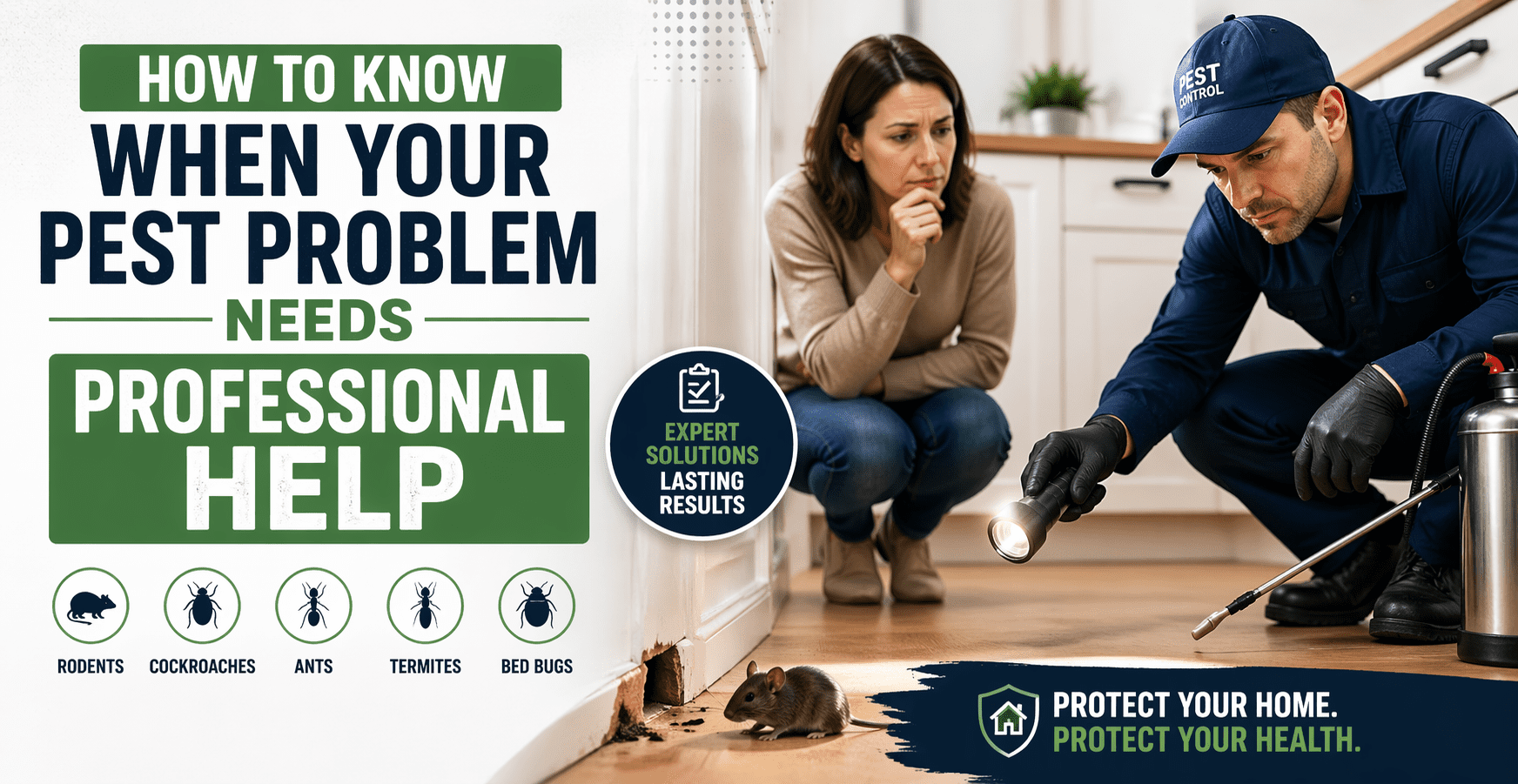
While DIY methods can help in minor cases, larger infestations or hidden pests often require professional expertise. Professionals offering pest control in Dayton have the tools, knowledge, and experience to:
- Accurately identify the pest species.
- Use safe, targeted treatments that minimise risks to people, pets, and the environment.
- Provide customised solutions based on the type of property and level of infestation.
- Offer ongoing monitoring and advice to prevent future issues.
In areas like Dayton, where seasonal changes can bring different pest challenges, having experts on call ensures that control methods remain effective year-round.
Common Mistakes in Pest Control
Many people make the mistake of treating only the visible pests. For example, spraying ants you see on the bench won’t stop the colony hidden in the walls. Similarly, setting one or two traps for rodents may not solve the larger problem of entry points and nesting areas.
Another common error is relying solely on store-bought chemicals without understanding their correct use. Overuse or misuse of chemicals can be harmful to people and pets while doing little to fix the actual pest issue.
This is why identification and professional guidance are so important. The goal should always be to address the underlying cause, not just the symptoms.
Why Identification is the “Most Important Step”
To sum it up, the most important step in pest control is identification. Without correctly identifying the pest and its cause, treatments are likely to be ineffective or only short-lived. Identification leads directly into prevention, which is what truly keeps pests away in the long term.
Professional pest controllers in Dayton and beyond prioritise inspection and identification before applying treatments. This ensures that their methods are safe, targeted, and effective. For homeowners and business owners, understanding this process means fewer infestations, less stress, and greater peace of mind.
Final Thoughts
Pest control is more than just spraying or setting traps. The real key lies in identifying the pest and its root cause. Once this is clear, prevention and professional support ensure lasting results.
If you’re dealing with persistent pests or want to safeguard your property, seeking pest control in Dayton from trusted professionals is the smartest move. With expert identification, treatment, and prevention, you can enjoy a healthier, safer, and pest-free environment.